FoodieAtlas
Recipes around the World
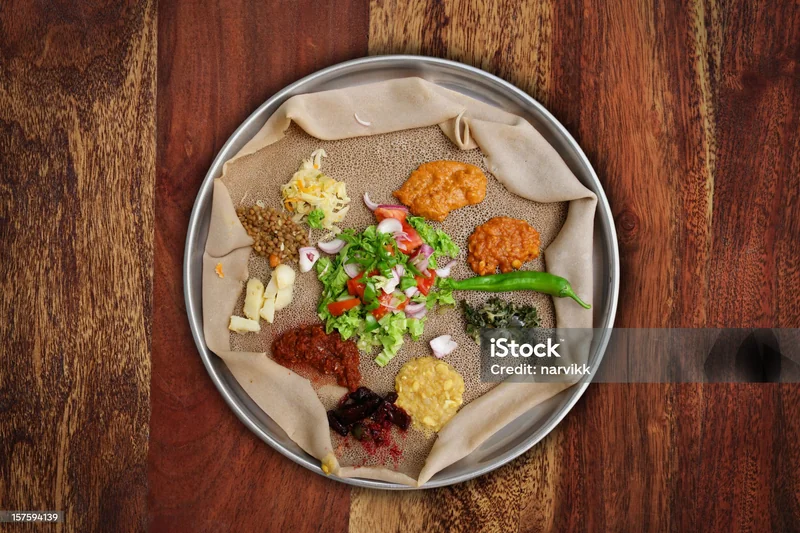
Injera is a staple flatbread in Eritrea, known for its distinctive sour flavor and spongy texture. It holds immense cultural significance, often served as a base for various stews and vegetables during communal meals. Traditionally enjoyed with family and friends, injera is more than just food; it's a symbol of hospitality and togetherness in Eritrean culture.
In a large mixing bowl, combine the teff flour, all-purpose flour, and salt.
Gradually add the water, stirring continuously until you have a smooth batter.
If using, dissolve the active dry yeast in a little warm water and add it to the batter. Stir well.
Cover the bowl with a cloth or plastic wrap and let the batter sit at room temperature for 24 to 48 hours. The batter should develop a slightly sour smell and may bubble slightly. This fermentation process helps develop the characteristic flavor of injera.
Just before cooking, stir the baking soda into the batter. It helps make the characteristic holes on top.
Preheat a non-stick skillet or a large, flat griddle over medium heat.
Lightly grease the skillet with a small amount of oil or non-stick spray.
Pour a small amount of batter onto the hot skillet and quickly swirl to spread it into a thin, even layer. Cook until bubbles form on the surface and the edges start to lift, about 2-3 minutes. Do not flip; injera is traditionally cooked on one side only.
Remove the injera from the skillet and place it on a plate. Cover with a cloth to keep warm while you cook the remaining batter.
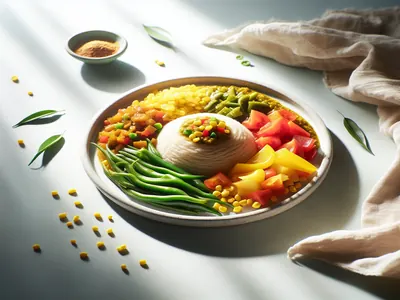
Injera is typically served as a base for various stews and salads.
Enjoy your meal!
Injera is a fermented flatbread made primarily from teff flour, known for its unique sour taste and spongy texture.
Injera originates from Eritrea and Ethiopia, where it is a fundamental part of the traditional diet.
The key ingredients in injera include teff flour, all-purpose flour, water, salt, and sometimes active dry yeast.
Injera takes 1440-2880 minutes to prepare, primarily due to the fermentation process.
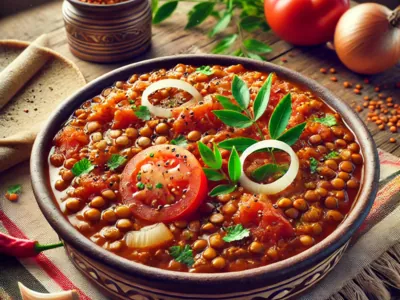
Injera is typically served with various stews, lentils, and vegetables, making it a versatile accompaniment.