FoodieAtlas
Recipes around the World
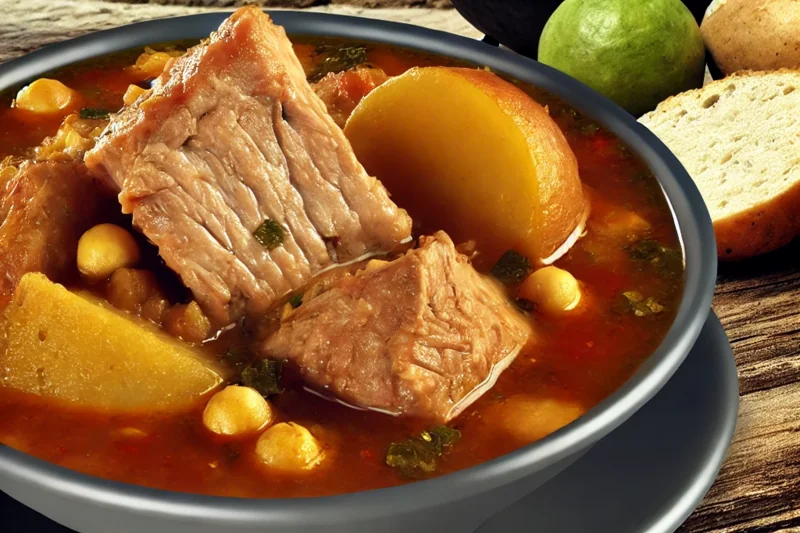
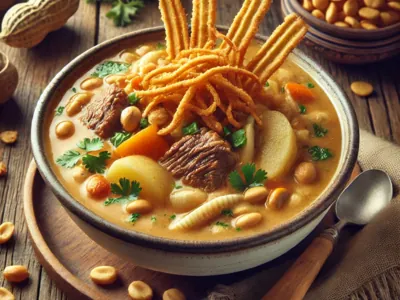
Steam rises from the bowl carrying the aroma of aji amarillo, cumin, and simmered pork that has turned tender and rich. Fricasé is a La Paz specialty traditionally eaten for breakfast, where its warming spices and heavy pork sustain workers through cold mornings in the high-altitude city. The dish combines Spanish stew traditions with Andean ingredients like aji amarillo and hominy, creating a distinctly Bolivian preparation. White hominy kernels add texture and sweetness that balances the savory, complex spice blend unique to this recipe.
In a large pot, heat the vegetable oil over medium-high heat.
Add the pork pieces and brown them on all sides. Remove the pork from the pot and set aside.
In the same pot, add the chopped onion and minced garlic. Sauté until the onion is soft and translucent.
Stir in the ground cumin, ground black pepper, paprika, ground oregano, ground turmeric, and ground aji amarillo. Cook for 2-3 minutes until the spices are fragrant.
Return the browned pork to the pot.
Pour in the pork broth or water, ensuring the pork is fully submerged.
Bring to a boil, then reduce the heat to low and let it simmer for about 1.5 to 2 hours, or until the pork is tender.
In a separate saucepan, heat the vegetable oil over medium heat.
Add the ground yellow chili paste (aji amarillo) and cook for about 2 minutes.
Add the chicken or pork broth, stirring well to combine.
Season with salt and pepper to taste. Let the sauce simmer for 10-15 minutes, then set aside.
Add the white hominy to the pot with the pork and continue to simmer for another 20-30 minutes, allowing the flavors to meld together.
Stir the prepared yellow chili sauce into the pork stew.
Taste and adjust seasoning with additional salt and pepper if needed.
Fricasé is a hearty pork stew where chunks of pork shoulder simmer for hours in a spiced broth infused with aji amarillo, cumin, oregano, and turmeric. White hominy is added toward the end, absorbing the flavors and adding a soft, slightly sweet texture to the finished dish.
Fricasé became famous as a La Paz breakfast dish because its heat-generating pork and spices provide warmth and energy for the day ahead. The high altitude of La Paz makes warming, nutrient-dense foods especially valuable, and fricasé's long cooking time made it perfect for vendor preparation during early morning hours.
Aji amarillo (yellow chili) is essential to fricasé's character, adding mild heat and a distinctive color to the broth. Its flavor is more fruity than spicy, providing depth without burning heat. A separate aji amarillo sauce is often drizzled in during the final cooking stage for extra richness.
White hominy kernels add textural contrast to the stew's soft pork and broth. They absorb the spiced liquid as they simmer, becoming creamy while providing subtle sweetness. In Andean cooking, corn in all forms (including hominy) appears frequently across many traditional preparations.
Serve fricasé in deep bowls with plenty of broth. Accompany it with white rice, boiled potatoes, or crusty bread for soaking up the sauce. Fresh parsley garnish adds color and brightness, while lime wedges provide acidity to balance the rich, spiced meat.