FoodieAtlas
Recipes around the World
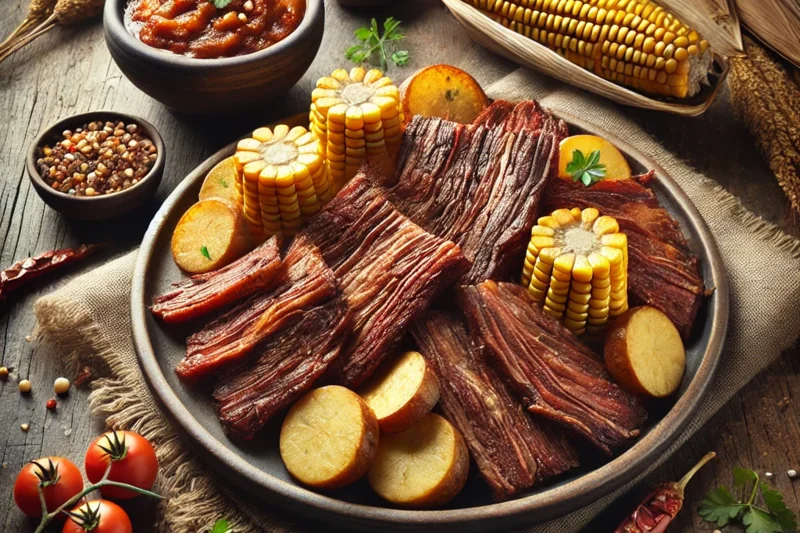
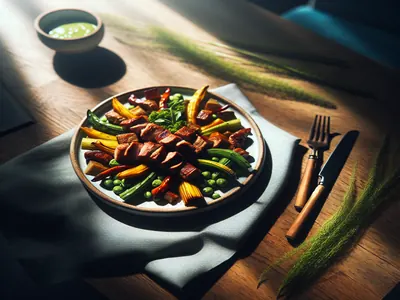
Thin strips of beef turn brittle and chewy as they dry in the mountain sun, the salt drawing out moisture while intensifying flavor. Charque represents an ancient Andean preservation technique that made fresh meat last through winter and enabled long journeys across high-altitude regions. The word charque itself entered European languages, becoming "jerky" in English and "charqui" in Spanish. This technique predates the Spanish conquest, with Inca records documenting charqui as a crucial food source for armies and mountain travelers. The salted, dried beef gets rehydrated in cooking, infusing dishes with deep savory flavor.
Slice the beef into thin strips, about 1/4 inch thick. The thinner the slices, the faster they will dry.
In a large mixing bowl, combine the coarse salt, ground black pepper, ground cumin, paprika, and garlic powder (if using).
Rub the seasoning mixture all over the beef strips, ensuring they are well coated.
There are two main methods to dry the beef: sun drying and oven drying.
Lay the seasoned beef strips on a clean surface, such as a drying rack or a clean cloth.
Place the beef in a sunny, well-ventilated area. Make sure it is out of reach of animals.
Allow the beef to dry for 2-3 days, turning the strips occasionally to ensure even drying.
Preheat your oven to its lowest temperature setting (usually around 150°F or 65°C).
Place the seasoned beef strips on a baking sheet lined with a wire rack.
Dry the beef in the oven for about 4-6 hours, or until the strips are completely dried and brittle. Turn the strips occasionally to ensure even drying.
Once the beef is completely dried, let it cool to room temperature.
Store the charque in an airtight container in a cool, dry place. It can be kept for several months if stored properly.
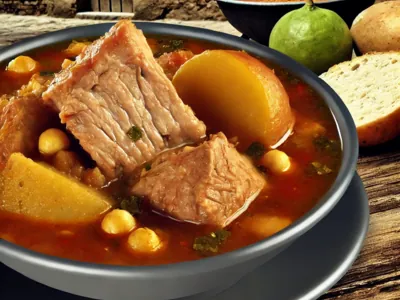
Charque can be rehydrated and used in various dishes such as soups, stews, or scrambled eggs.
To rehydrate, soak the dried beef in water for a few hours before cooking.
Charque is salt-cured and sun-dried beef sliced thin and seasoned with cumin, paprika, and garlic powder. The meat becomes brittle and concentrated in flavor as moisture evaporates, making it shelf-stable for months without refrigeration. It's rehydrated in water before using in soups, stews, or scrambled eggs.
Charque preserves beef without refrigeration, a technique that predates the Inca empire. Armies and mountain traders relied on charque to sustain themselves on journeys where fresh food was impossible. The word itself became the origin of "jerky" in English, showing charque's influence on global food preservation.
Sun-drying takes 2-3 days and develops deeper, more complex flavors as the meat slowly loses moisture under natural heat. Oven-drying at low temperature (150°F) takes 4-6 hours and produces more consistent results with less dependence on weather. Both methods yield equally authentic charque.
Once completely dried and cooled, charque stores in airtight containers in a cool, dry place for several months. High altitude and low humidity of the Andes naturally preserve it, but proper storage anywhere requires sealing against moisture and pests. Some keep it in the freezer for longer storage.
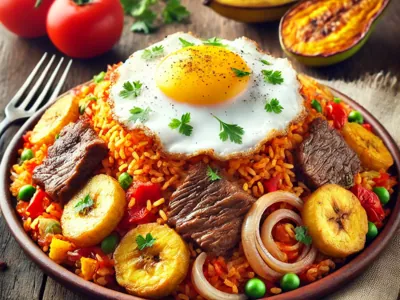
Charque gets rehydrated and added to soups, especially peanut-based ones, to provide savory depth. It appears in stews, fried rice dishes like majadito, and scrambled eggs. Traditional eating involves soaking it in water for hours, then cooking with other ingredients to create complete meals with concentrated beef flavor.