FoodieAtlas
Recipes around the World
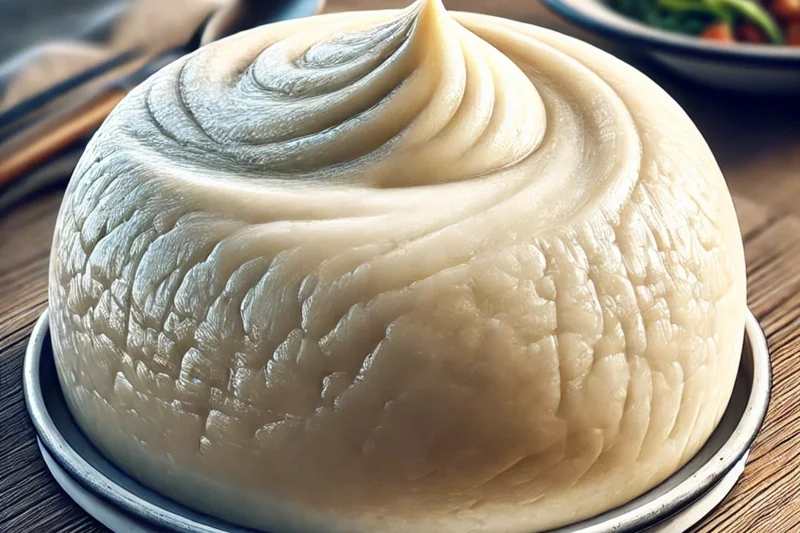
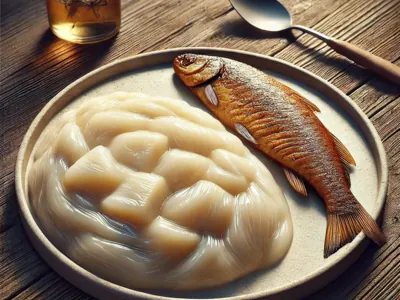
Nsima appears on the table as a pale, creamy mound of smooth maize porridge, warm and subtly comforting with its mild corn flavor. For centuries, this simple dish has nourished Malawian families as the foundation of nearly every meal, born from the abundance of maize crops across the region. It is eaten daily by all ages and social classes, served at breakfast, lunch, and dinner alongside whatever relishes and proteins the household can provide. The beauty of nsima lies in its humble simplicity and remarkable ability to complement any accompaniment.
In a large pot, bring the water to a boil over medium heat.
In a separate bowl, mix 1/2 cup of maize flour with a small amount of cold water to make a smooth paste.
Once the water is boiling, slowly stir in the maize flour paste, stirring continuously to prevent lumps.
Gradually add the remaining maize flour, stirring constantly to ensure even mixing and to avoid lumps.
Reduce the heat to low. Continue to cook and stir the mixture for about 10-15 minutes. The nsima should become thick and smooth. If it’s too thick, you can add a bit more water.
Once cooked, remove from heat. Let it sit for a few minutes before serving.
Nsima is a thick cornmeal porridge made by boiling maize flour and water until smooth and creamy. It is the foundational staple of Malawian cuisine and is served with virtually every meal.
Nsima originates from Malawi, where maize is the primary crop and has been cultivated for generations. The dish is central to Malawian food culture and identity.
The ingredients are minimal: maize flour (cornmeal), water, and salt. The simplicity of nsima allows the quality of the maize flour and cooking technique to shine.
Mix the maize flour with cold water first to prevent lumps before adding it to boiling water. Stir constantly and cook on low heat for smooth results. Consistency is key—add water gradually until you reach your preferred thickness.
Nsima is paired with relishes, grilled meats, fish, vegetable stews, beans, or any protein and vegetable dish. It acts as a neutral canvas for flavors and helps balance spicy accompaniments.