FoodieAtlas
Recipes around the World
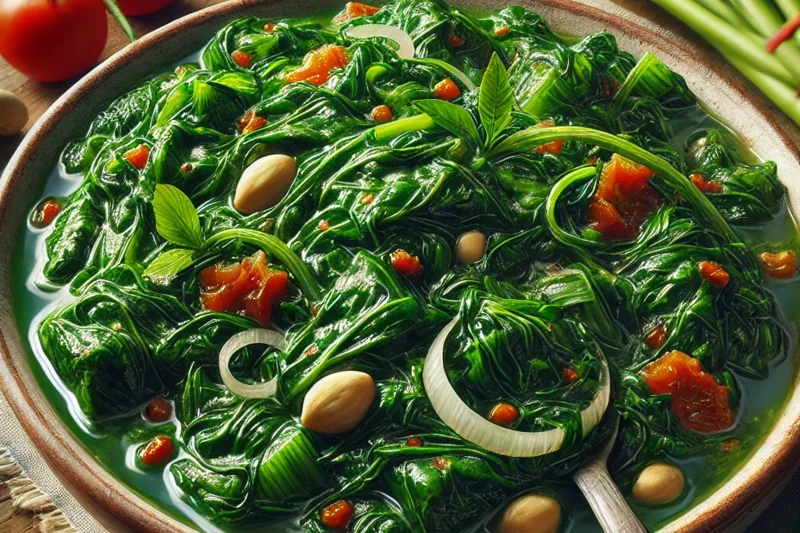
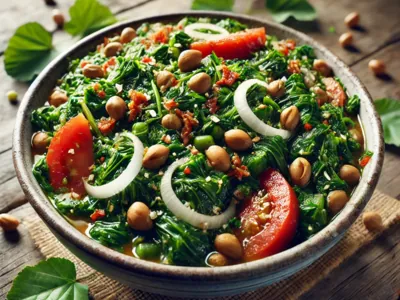
Ndiwo emerges from the pot as a colorful medley of tender vegetables suspended in a rich, aromatic tomato sauce infused with warm spices. This dish draws its roots from Malawi's agricultural traditions, where seasonal vegetables are transformed into nourishing preparations. It is commonly made for family weeknight dinners and prepared in larger batches when neighbors and relatives visit. The flexibility of ndiwo—adaptable to available ingredients and personal taste—makes it a cornerstone of everyday Malawian cooking.
Wash and chop the vegetables into bite-sized pieces.
If using meat or fish, cut it into small pieces.
Heat the vegetable oil in a large pot or skillet over medium heat.
Add the chopped meat or fish and cook until browned and cooked through. Remove and set aside.
In the same pot, add a bit more oil if needed and sauté the garlic, ginger, and chopped onion until the onion is translucent and fragrant.
Stir in the chopped tomatoes and cook for about 5 minutes, until they start to break down.
Add the chopped vegetables to the pot along with paprika, turmeric, black pepper, and salt.
Pour in the water or vegetable broth and stir to combine.
Bring the mixture to a boil, then reduce the heat and let it simmer for about 15-20 minutes, or until the vegetables are tender. If you cooked meat or fish, add it back to the pot during the last 5 minutes of cooking.
Garnish with fresh coriander or parsley before serving.
Ndiwo is a traditional Malawian stew made from an assortment of fresh vegetables cooked in a savory tomato-based broth, often with optional meat or fish. It is flavorful, nutritious, and adaptable.
Ndiwo originates from Malawi, where it is made in households across the country. The name and preparation reflect the region's agricultural abundance and communal cooking traditions.
Key ingredients include tomatoes, onions, garlic, ginger, assorted vegetables such as spinach or carrots, optional meat or fish, and spices like paprika and turmeric.
Add vegetables in stages based on cooking time—heartier vegetables first, delicate greens last. Let the tomato base develop flavor before adding other ingredients. Adjust spice levels to your preference.
Ndiwo is best served with nsima (maize porridge), rice, or bread. Its savory, flavorful sauce pairs perfectly with these mild starches.