FoodieAtlas
Recipes around the World

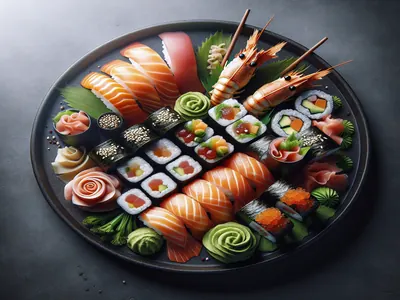
Sashimi is a traditional Japanese dish consisting of thinly sliced raw fish, celebrated for its purity and simplicity. It holds a significant place in Japanese cuisine, often enjoyed during special occasions or as an everyday delicacy. Typically served with soy sauce, wasabi, and pickled ginger, sashimi highlights the natural flavors of high-quality seafood.
Ensure that the fish is fresh and sashimi-grade. It’s crucial to use high-quality fish for sashimi to ensure safety and the best taste.
Using a very sharp knife, cut the fish into thin, even slices. The thickness of the slices can vary based on preference, but they are typically about 1/4 inch thick.
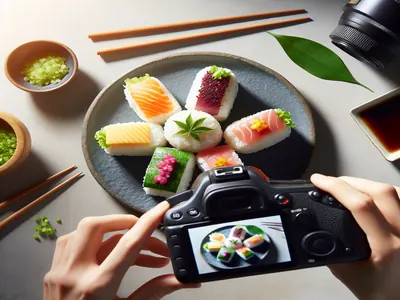
Arrange the fish slices neatly on a plate. If using, place julienned daikon radish and shiso leaves on the plate for garnish.
Optionally, you can add a few slices of fresh lemon or lime on the side.
Serve the sashimi with small dishes of soy sauce and wasabi on the side for dipping. Include pickled ginger as a palate cleanser between different types of fish. To eat, dip each piece of sashimi lightly in the soy sauce and add a small amount of wasabi if desired.
Raw sliced fish (no rice, no nori); quality of fish + knife skill are the entire dish. Every detail — from species selection to slice angle to serving temperature — directly affects the eating experience, making sashimi both simple and sophisticated.
Japan; documented since the Muromachi period. It evolved with advancements in fresh fish transport and the ikejime killing method, which preserves fish quality immediately after harvest.
Premium raw fish (tuna, salmon, yellowtail, flounder, sea bream), real wasabi, soy sauce, shiso leaves, and finely shredded daikon radish. The fish must be sashimi-grade and handled at precise temperatures throughout.
Serve at refrigerator temperature, not room temperature — fish warms quickly and the texture changes within minutes. Slice perpendicular to the muscle grain for most fish to maximize the eating experience.
Steamed rice served separately (converting the meal into a teishoku-style service), cold sake or dry white wine. Never hot drinks alongside — they interfere with the delicate fish flavors.