FoodieAtlas
Recipes around the World
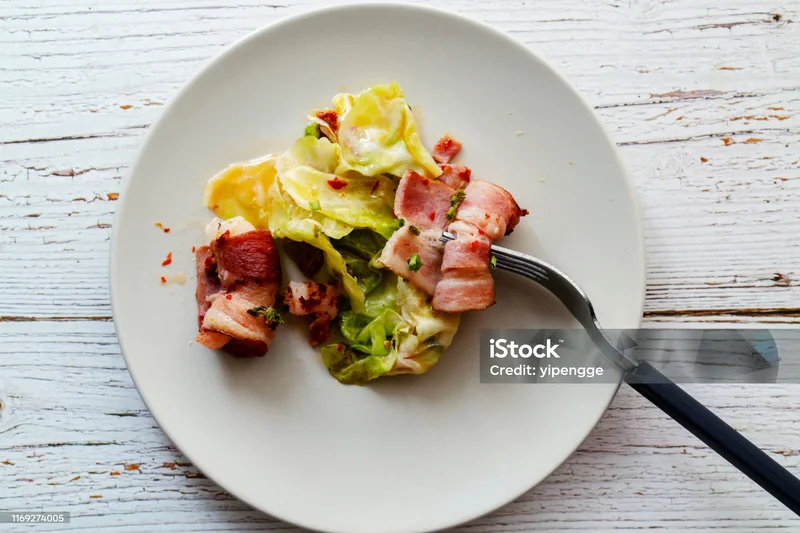
Bacon and cabbage fills the kitchen with savory steam, salty pork perfuming every vegetable it touches. This is pure Irish peasant cooking—when families had a pig to kill, a head of cabbage from the garden, potatoes from the cellar. The genius is in the simplicity: the bacon cooks first, flavoring the broth that then tender the cabbage, potatoes, and carrots together. No cream, no fancy technique, just honest ingredients becoming something greater than themselves through time and gentle heat. The dish survives in Ireland as comfort itself, unchanged because it needs no improving.
In a large pot, place the bacon joint and cover with cold water. Add the bay leaves, black peppercorns, and salt.
Bring to a boil over medium-high heat. Reduce heat to low and simmer for 1.5 to 2 hours, or until the bacon is tender and easily pulls apart.
Remove the bacon from the pot and let it rest on a plate. Reserve the cooking liquid.
Add the potatoes, carrots, and onion to the pot with the reserved cooking liquid. Bring to a boil and cook for about 15 minutes.
Add the cabbage wedges to the pot and cook for an additional 10-15 minutes, or until all the vegetables are tender.
If you like a crispy bacon crust, heat the vegetable oil in a skillet over medium-high heat.
Slice the cooked bacon into serving pieces and sear in the skillet for a few minutes on each side until golden and crispy.
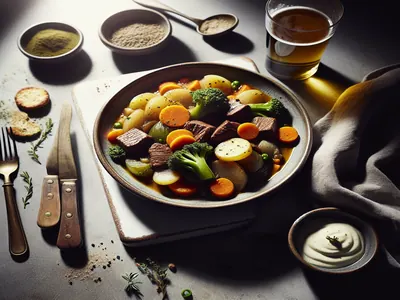
Arrange the vegetables and bacon on a large serving platter. Garnish with fresh parsley.
Irish bacon (called rashers) comes from the back of the pig and is meatier, more like ham or Canadian bacon. American streaky bacon is from the belly, much fattier and crispier. For traditional bacon and cabbage, you need a bacon joint or the meatier Irish rashers.
Boiling removes excess salt and toughness, making the bacon tender and allowing it to flavor the cooking liquid. If you prefer crisper bacon, finish it in a hot skillet before serving—traditional Irish cooks often do both.
Yes, ham or pork shoulder work. The cooking time may vary depending on the cut size and initial salt content. A bacon joint or rashers remain traditional and give the best authentic flavor.
Cabbage and potatoes are traditional and non-negotiable. Carrots are common. Onion and garlic add depth. Turnips and parsnips are regional variations. Adjust based on what's available or personal preference.
Simple: the bacon sliced and arranged on a plate surrounded by vegetables, all from the same broth. A splash of that broth, a dollop of mustard, and crusty bread. No sauce needed—the flavors speak for themselves.