FoodieAtlas
Recipes around the World
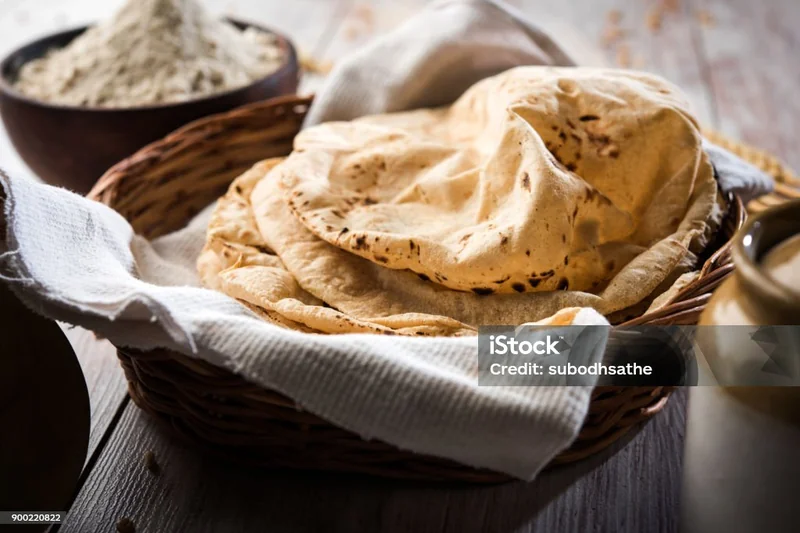
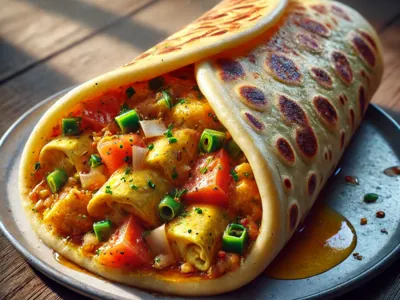
Chapati is a beloved flatbread in Uganda, cherished for its soft texture and versatility. Often enjoyed with various stews and sauces, it's a staple at family gatherings and celebrations. This delightful bread is not just a meal accompaniment but also a symbol of Ugandan hospitality.
In a large mixing bowl, combine the flour, salt, and sugar (if using).
Add the vegetable oil or melted butter and mix well.
Gradually add the warm water, mixing until a soft dough forms. If the dough is too dry, add a little more water, a tablespoon at a time.
Knead the dough on a lightly floured surface for about 5-7 minutes, or until it is smooth and elastic.
Cover the dough with a damp cloth and let it rest for at least 30 minutes. This helps to relax the gluten and makes the dough easier to roll out.
Divide the dough into small balls, about the size of a golf ball.
On a lightly floured surface, roll each ball into a thin circle, about 6-8 inches (15-20 cm) in diameter. Dust with additional flour as needed to prevent sticking.
Heat a non-stick skillet or griddle over medium heat.
Place a rolled-out dough circle onto the hot skillet.
Cook for about 1-2 minutes, or until bubbles start to form on the surface and the bottom is golden brown.
Flip the chapati and cook the other side for another 1-2 minutes.
Brush the cooked chapati with a little oil or melted butter, if desired.
Repeat with the remaining dough balls, stacking the cooked chapatis on a plate and covering them with a clean cloth to keep them warm.
Serve the chapatis warm, as a side dish with your favorite stew, curry, or as a wrap for various fillings.
Enjoy your meal!
Chapati is a flatbread made from all-purpose flour, water, and oil, known for its soft and flaky texture.
While Chapati has roots in Indian cuisine, it has become a staple in Ugandan households, often served with local dishes.
The key ingredients include all-purpose flour, salt, vegetable oil or melted butter, and warm water.
Chapati takes approximately 50-65 minutes to prepare and cook.
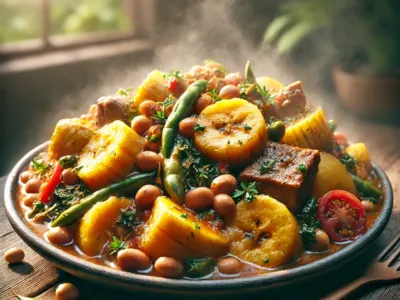
Chapati pairs well with Ugandan stews, vegetables, and sauces, making it a versatile addition to any meal.