FoodieAtlas
Recipes around the World
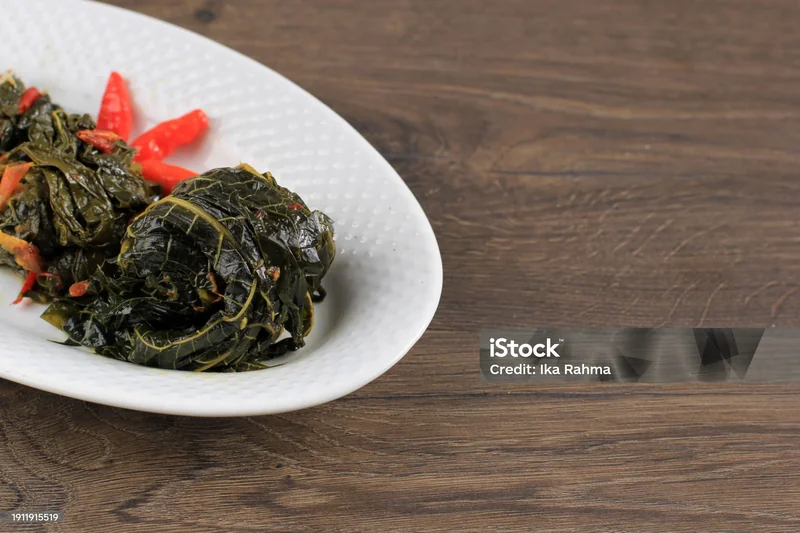
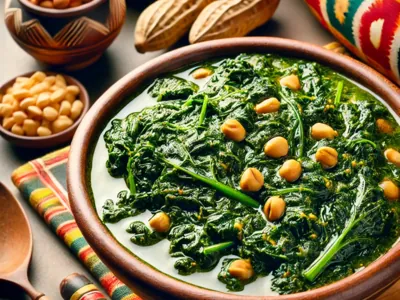
Cassava Leaves is a beloved dish in Sierra Leone, made from the tender leaves of the cassava plant. This nutritious meal is often enjoyed during special occasions and family gatherings, symbolizing community and tradition. Rich in flavor and history, it represents the heart of Sierra Leonean cuisine.
If using fresh cassava leaves, wash them thoroughly and finely chop them. If using frozen cassava leaves, thaw and drain any excess water.
In a large pot, heat the palm oil over medium heat.
Add the chopped onion and sauté until translucent, about 5 minutes.
Add the minced garlic and grated ginger, and cook for another minute until fragrant.
Stir in the chopped tomatoes and cook until they begin to soften, about 5 minutes.
Add the ground cayenne pepper (if using), ground black pepper, and salt. Stir well to combine.
Add the finely chopped cassava leaves to the pot and stir to coat with the tomato and spice mixture.
Pour in the water or chicken broth and add the Maggi cubes (if using).
Bring the mixture to a boil, then reduce the heat to low and let it simmer for about 30-40 minutes, or until the cassava leaves are tender and cooked through. Stir occasionally.
Add the smoked fish or meat pieces to the pot, stirring gently to combine.
If using peanut butter, stir it in at this stage. Let the mixture simmer for another 10-15 minutes, allowing the flavors to meld.
Taste the dish and adjust the seasoning with more salt or pepper if needed.
If using, add the finely chopped chili pepper for extra heat.
Serve the cassava leaves hot over cooked rice or fufu.
Enjoy your meal!
Cassava Leaves is a traditional dish made from the finely chopped leaves of the cassava plant, often cooked with smoked fish or meat.
Cassava Leaves originates from Sierra Leone, where cassava is a staple crop and integral to the local diet.
Key ingredients include cassava leaves, smoked fish or meat, palm oil, onion, garlic, ginger, and tomatoes.
It takes 70-90 minutes to prepare and cook Cassava Leaves.
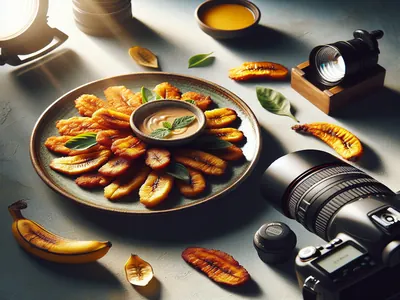
Cassava Leaves is often served with rice or fufu, and is delicious alongside plantains or yams.