
FoodieAtlas
Recipes around the World
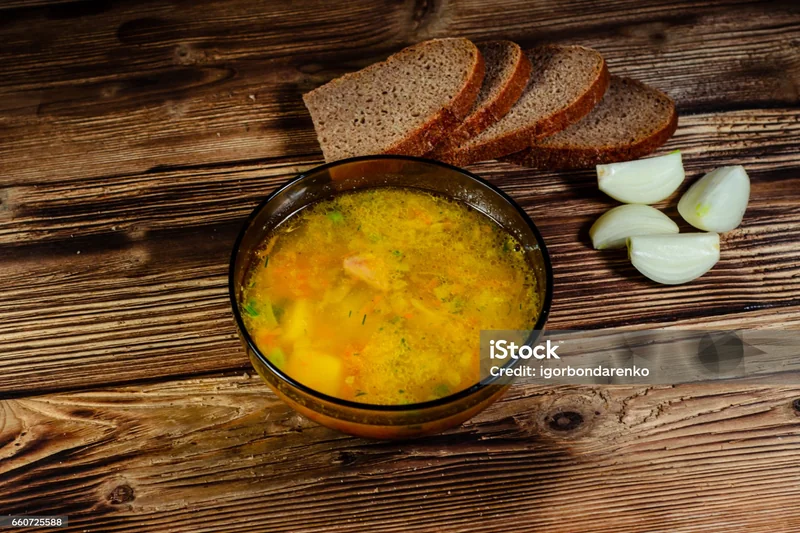
The first spoon of Ciorbă de Burtă hits the tongue with a paradox: creamy sour cream meets sharp vinegar, tenderized tripe offers a pleasant chew, and a whisper of dried thyme pulls everything into harmony. Rural Romania developed this soup from necessity—organ meats were cheap, sustainable, and worthy of transformation through hours of patient cooking and the alchemy of sour cream. For generations, Ciorbă de Burtă appeared on tables in village kitchens during Easter and winter feasts, proof that poverty's children could yield profound flavor. Today in Bucharest's restaurants and Transylvanian homes alike, it arrives hot in earthenware bowls, a steaming testament to peasant wisdom.
In a large pot, place the beef bone and cover with water. Bring to a boil, then reduce the heat and simmer for 1-2 hours to make a broth.
While the broth is cooking, clean the beef tripe thoroughly under cold running water.
In another large pot, bring water to a boil and blanch the tripe for 5 minutes. Drain and rinse under cold water.
Add the cleaned tripe to the simmering broth and continue to cook for an additional 1-2 hours until the tripe is tender.
In a separate pan, heat the vegetable oil over medium heat. Add the chopped onion, diced carrots, and celery. Cook until softened, about 5-7 minutes.
Add the minced garlic to the vegetables and cook for another minute.
Stir the sautéed vegetables into the pot with the tripe and broth. Add the dried thyme, bay leaf, salt, and black pepper. Simmer for 10 minutes.
In a bowl, whisk together the sour cream and egg yolks.
Gradually add a few ladles of hot broth to the sour cream mixture to temper it. Stir well.
Slowly pour the tempered sour cream mixture back into the soup, stirring constantly to prevent curdling.
Add white vinegar to taste, adjusting for desired sourness.
Ladle the soup into bowls. Garnish with freshly chopped parsley, minced garlic, and sliced hot chili peppers if desired.
Ciorbă de Burtă is a traditional Romanian soup built on slow-cooked beef tripe simmered with vegetables, sour cream, and white vinegar. The name itself comes from "ciorbă," meaning sour soup, and "burtă," which means tripe—a humble ingredient elevated into something remarkable.
This soup emerges from rural Romanian tradition, born when resourceful cooks transformed organ meats into something nutritious and deeply flavorful. It became iconic at Easter celebrations, Christmas feasts, and late-night gatherings in Bucharest's taverns, where it warmed the belly and revived the spirit.
The foundation is beef tripe (cleaned thoroughly), beef bone for broth, aromatic vegetables (onion, carrots, celery, garlic), sour cream, egg yolks for richness, white vinegar for tang, and dried thyme. Fresh parsley and chili peppers finish the dish.
Cleaning tripe properly is essential—blanch it to remove remaining impurities. Temper the sour cream and egg yolks carefully with hot broth to avoid curdling. Adjust vinegar gradually to taste; some prefer it more sour than others. Low, patient heat is key.
Serve hot in deep bowls with thick slices of crusty bread for dunking, sour cream on the side, and fresh parsley scattered on top. A shot of tuica (Romanian plum brandy) on the side is traditional. Pickled vegetables complement well.