FoodieAtlas
Recipes around the World
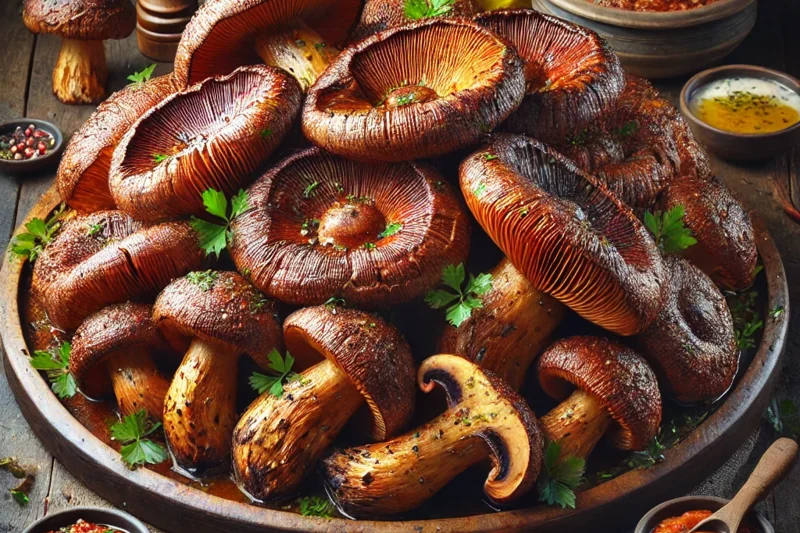
Namibian bushland yields extraordinary wild mushrooms called omanjova, prized by locals who know exactly where and when to forage them. These meaty fungi, sautéed with garlic and tomatoes, create a savory side dish packed with umami depth. Foraging traditions connect Namibian cooks to their landscape in intimate ways. Omajova exemplifies how wild ingredients, when properly respected and prepared, rival any cultivated ingredient in sophistication.
Clean the mushrooms thoroughly. If they are large, cut them into smaller pieces.
In a large skillet or pan, heat the vegetable oil over medium heat.
Add the chopped onion and minced garlic to the pan. Sauté until the onions are translucent and fragrant.
Stir in the diced bell pepper and cook for another 3-4 minutes until softened.
Add the mushrooms to the pan. Cook, stirring occasionally, until the mushrooms are tender and have released their juices, about 5-7 minutes.
Stir in the chopped tomatoes, paprika, ground cumin, and ground coriander. Season with salt and pepper. Cook for an additional 5-10 minutes, until the tomatoes are softened and the flavors have melded together.
Garnish with fresh cilantro or parsley before serving.
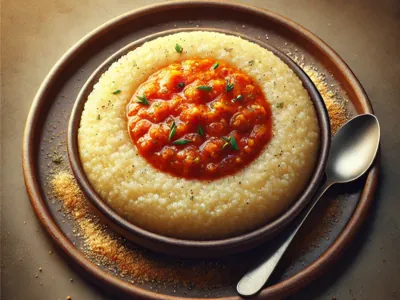
Omajova is a savory side dish or snack celebrating wild omanjova mushrooms, sautéed until golden with aromatics and spices. The mushrooms develop deep, earthy umami as they release their moisture and caramelize slightly.
Omajova originates from Namibia, where indigenous foraging traditions have guided mushroom hunting for generations. Knowledge of where, when, and how to collect these wild treasures is passed down through families.
Fresh omanjova mushrooms form the base, partnered with onions, garlic, bell peppers, tomatoes, paprika, cumin, coriander, vegetable oil, salt, and pepper for balanced seasoning.
Don't wash mushrooms if possible—brush away dirt. Cut into even pieces for uniform cooking. Let them release moisture completely before continuing. Taste before adding salt, as mushrooms concentrate mineral flavors as they cook.
Enjoy omajova as a standalone appetizer, alongside crusty bread as a spread, or as a vegetable side with meat and starch. It also makes an excellent base for grain bowls or pasta dishes.