FoodieAtlas
Recipes around the World
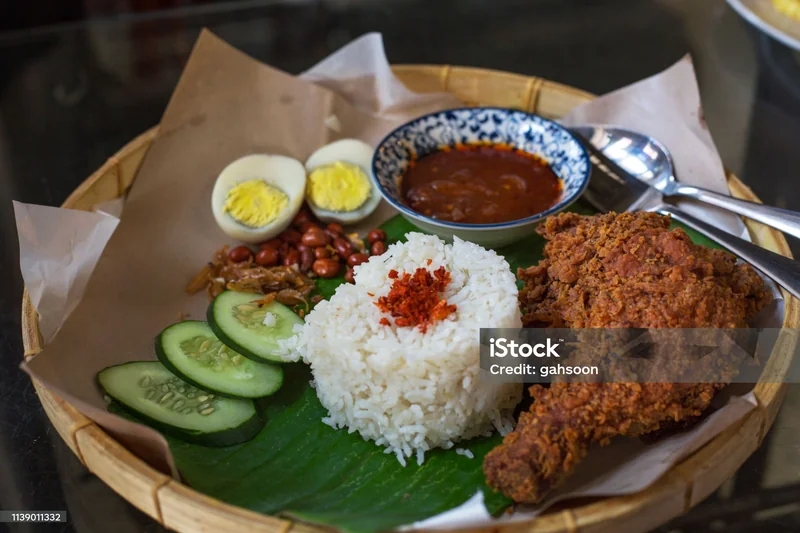
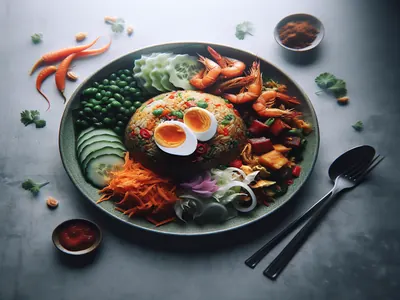
Nasi Lemak arrives with a whisper of pandan and the rich aroma of coconut—each grain of rice is individually bathed in creamy coconut milk, creating silky texture and subtle sweetness. This national dish epitomizes Malaysian breakfast culture, layering rich coconut rice with contrasting elements: crispy salty anchovies, nutty roasted peanuts, cooling fresh cucumber, and a sambal that brings fire to every bite.
Rinse the jasmine rice under cold water until the water runs clear.
In a rice cooker or pot, combine the rinsed rice, coconut milk, water, salt, and pandan leaves (if using).
Cook according to the rice cooker instructions or bring to a boil, then reduce to low heat, cover, and simmer for 15-20 minutes or until the rice is cooked and fluffy.
Heat vegetable oil in a saucepan over medium heat.
Add the chopped onion and minced garlic, and sauté until fragrant and golden.
Stir in the red chili paste and belacan (or soy sauce). Cook for a few minutes until the oil starts to separate from the paste.
Add the tamarind paste, brown sugar, and water. Stir well and simmer for 10-15 minutes until the sambal thickens. Season with salt to taste.
Roast the peanuts in a dry pan until golden brown and crunchy.
Fry the anchovies until crispy, then drain on paper towels.
Boil the eggs until hard-boiled (about 10 minutes), then peel and halve.
Slice the cucumber.
Serve a portion of coconut rice on a plate. Add a dollop of sambal on the side. Arrange the roasted peanuts, crispy fried anchovies, hard-boiled egg halves, and cucumber slices around the rice. Garnish with fresh coriander or lettuce leaves if desired.
Nasi Lemak is Malaysian jasmine rice cooked in coconut milk with pandan leaves, creating fragrant, creamy rice with subtle floral sweetness. It's traditionally served as a breakfast dish with an array of complementary sides that provide texture, spice, and contrast.
Nasi Lemak is Malaysia's national dish, originating from Malay culture. While its exact origins are debated, the dish has been a breakfast staple for generations, sold by street vendors and in local restaurants throughout Malaysia and the wider Southeast Asian region.
The rice is cooked with coconut milk, pandan leaves, and salt. Traditional accompaniments include sambal (chili paste), crispy fried anchovies, roasted peanuts, boiled eggs, and sliced fresh cucumber. Protein options like fried chicken or grilled fish are also common additions.
Use freshly grated coconut milk for richest flavor, or quality canned coconut milk. Toast the peanuts yourself for better texture and deeper flavor. The sambal is crucial—homemade chili paste tastes better than store-bought. Serve all components warm, with the sambal as a condiment to adjust to taste.
Serve the coconut rice as the base, surrounded by small portions of sambal, crispy fried anchovies, roasted peanuts, boiled eggs, and fresh cucumber slices. Many add fried chicken, grilled fish, or other proteins. Each bite combines rice with selected toppings for complete flavor experience.