FoodieAtlas
Recipes around the World
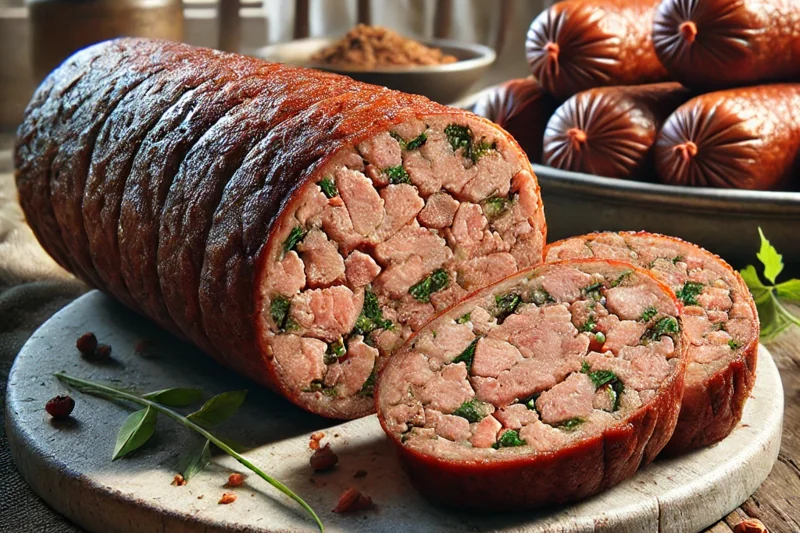
Sesika is a simmered pork dish where tender cubes braise in coconut milk enriched by tomatoes, peppers, and warming spices like turmeric and paprika. The result is rich, creamy sauce that clings to the pork and begs for rice. This is comfort food at its finest—homey, flavorful, and satisfying. Served throughout Madagascar in homes and street vendor stalls, Sesika reflects how the island's cooks build flavor through simple technique: brown the meat, build an aromatic base, then let everything simmer together until unified.
Heat the vegetable oil in a large skillet or saucepan over medium-high heat.
Add the pork cubes and brown them on all sides. Remove the pork from the pan and set aside.
In the same pan, add the chopped onion, minced garlic, and grated ginger. Sauté until the onion becomes translucent and fragrant.
Add the diced tomatoes and bell pepper to the pan. Cook for about 5 minutes until the tomatoes start to break down.
Stir in the soy sauce, fish sauce, paprika, turmeric, black pepper, and salt. Mix well.
Return the browned pork to the pan and mix to combine with the spices and vegetables.
Pour in the coconut milk and bring the mixture to a simmer.
Reduce the heat to low and cover the pan. Let it simmer for about 30-40 minutes, or until the pork is tender and the sauce has thickened.
Adjust seasoning if necessary.
Garnish with fresh cilantro before serving.
Serve Sesika hot with rice or a side of flatbread.
Sesika is a slow-simmered pork stew where cubed meat is first browned, then cooked with aromatics (onion, garlic, ginger) and vegetables (tomatoes, bell pepper), finished with coconut milk and spices for a creamy, aromatic final dish.
Sesika originates from Madagascar, where it's prepared in homes and street food stalls throughout the island. The dish reflects Malagasy traditions of slow-cooked, coconut-based sauces.
Pork cubes form the base, combined with onions, garlic, ginger, fresh tomatoes, bell pepper, and warming spices (turmeric, paprika, black pepper). Coconut milk creates the rich sauce, with soy and fish sauce providing umami depth.
Brown the pork thoroughly at the start—this builds flavor through caramelization. Don't rush the simmering stage; the longer the pork braises, the more tender it becomes. The sauce should reduce to a thick, clinging consistency by the end.
Sesika is traditionally served over steamed white rice that soaks up the flavorful coconut sauce. A fresh salad provides brightness and balance. Some add warm flatbread for scooping additional sauce.