FoodieAtlas
Recipes around the World
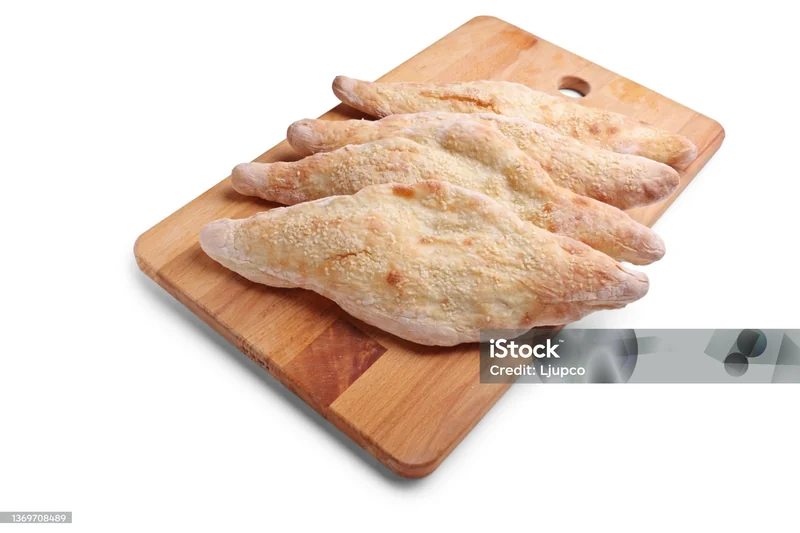
Samoon emerges from the oven with a golden crust and a pointed top dusted with nigella seeds—distinctly Iraqi in its shape. The soft, airy crumb inside makes it perfect for scooping, soaking, or tearing apart to accompany stews and grilled meats. This bread is found everywhere in Iraqi bakeries, fresh throughout the day. The technique is simple but the result feels almost fancy with that characteristic pointed tip—a shape that has remained unchanged for generations, a quiet testament to Iraqi baking tradition.
In a small bowl, dissolve the sugar in the warm water. Sprinkle the yeast over the water and let it sit for 5-10 minutes, or until frothy.
In a large bowl, combine the flour and salt. (Add ground cumin if using for extra flavor.)
Make a well in the center of the flour mixture and pour in the yeast mixture and vegetable oil.
Mix until a dough forms. Turn the dough out onto a floured surface and knead for about 5-7 minutes, or until smooth and elastic.
Place the dough in a lightly oiled bowl, cover with a damp cloth, and let it rise in a warm place for about 1-2 hours, or until doubled in size.
Preheat your oven to 375°F (190°C). Line a baking sheet with parchment paper.
Punch down the risen dough and divide it into 8-10 equal pieces.
Shape each piece into a round or oval roll and place them on the prepared baking sheet.
Cover the rolls with a damp cloth and let them rise for another 30 minutes.
Brush the tops of the rolls with the beaten egg and sprinkle with nigella seeds or sesame seeds.
Bake in the preheated oven for 15-20 minutes, or until the rolls are golden brown.
Allow the Samoon to cool slightly before serving. They are best enjoyed fresh and warm.
After shaping into an oval, gently pinch the top and drag upward to create the point. It takes a bit of practice, but the technique becomes intuitive. Many bakers use both hands to shape simultaneously.
Nigella seeds add a nutty flavor and visual appeal. They're traditional in Iraqi samoon, though sesame seeds work as a substitute. The topping also helps the bread brown evenly.
Yes, the recipe notes ground cumin as optional. It adds subtle warmth without overpowering the bread. Use about 1 teaspoon for a full batch if desired.
Yeast is sensitive to temperature. Ensure your water is warm (110°F), not hot, and let it rise in a warm, draft-free spot. If your kitchen is cold, turn on the oven for 30 seconds, then turn it off and rise inside.
Enjoy samoon warm. Store leftovers in a paper bag at room temperature for one day, then freeze in an airtight container. Reheat gently in a 350°F oven wrapped in foil to restore softness.