FoodieAtlas
Recipes around the World
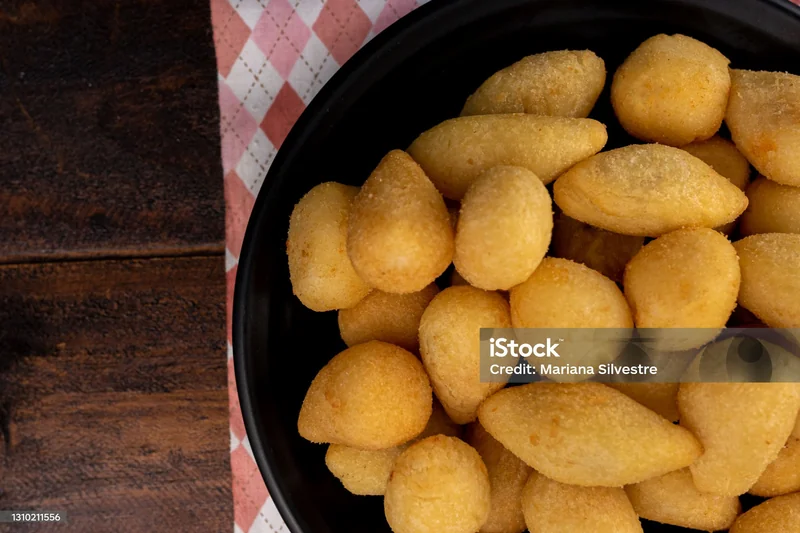
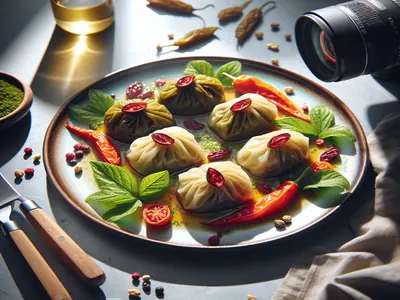
Kubba presents a tender bulgur shell that cracks lightly under the teeth, revealing warm spiced lamb and pine nuts hidden inside. This dumpling is purely Iraqi, born from necessity and transformed into an art form—bulgur's earthiness paired with the liveliness of cinnamon and the sweet surprise of currants. The shape is distinctive and requires a practiced hand; each kubba is nearly identical to its neighbors, a sign of tradition honored. Whether baked or fried, served with yogurt or in broth, kubba represents Iraqi home cooking at its most deeply rooted.
In a large bowl, combine the bulgur, rice flour, all-purpose flour, ground cumin, ground cinnamon, salt, and black pepper.
Slowly add the hot water to the mixture, stirring until the dough starts to come together. Allow it to rest for 10 minutes.
Knead the dough for a few minutes until smooth and pliable. Cover and set aside.
In a large skillet, heat the vegetable oil over medium heat. Add the chopped onion and cook until translucent.
Add the ground beef or lamb to the skillet and cook until browned.
Stir in the pine nuts, currants or raisins, ground cinnamon, ground cumin, ground allspice, salt, and pepper. Cook for another 5 minutes, then remove from heat and allow to cool.
Preheat your oven to 375°F (190°C). Lightly grease a baking sheet or line it with parchment paper.
Take a small piece of dough and flatten it into a thin circle on a piece of plastic wrap or parchment paper.
Place a spoonful of the filling in the center of the dough circle.
Fold the edges of the dough over the filling and seal well, shaping into a small oval or disc.
Place the assembled Kubba onto the prepared baking sheet.
Bake in the preheated oven for 20-25 minutes, or until golden brown and cooked through.
Allow the Kubba to cool slightly before serving.
Wet your hands frequently to prevent sticking. Some cooks use a small oval mold; others shape by hand. The goal is a smooth, sealed dumpling roughly the size of an egg. Practice makes perfect.
Both work. Baking is lighter and easier; frying in oil until golden creates a crispier exterior. Some families use both methods depending on the occasion.
Yes, assemble and refrigerate unbaked kubba for up to 24 hours, or freeze for up to a month. Add a few minutes to baking time if cooking from frozen.
Bulgur gives kubba its distinctive tender, slightly grainy texture and a subtle nuttiness that flour-based doughs can't replicate. It's also more practical—no kneading or resting time required.
Southern Iraq often uses more mint; northern regions may add more spice. Some families cook kubba in tomato broth instead of baking. The filling and shell ratios also vary by family tradition.