FoodieAtlas
Recipes around the World
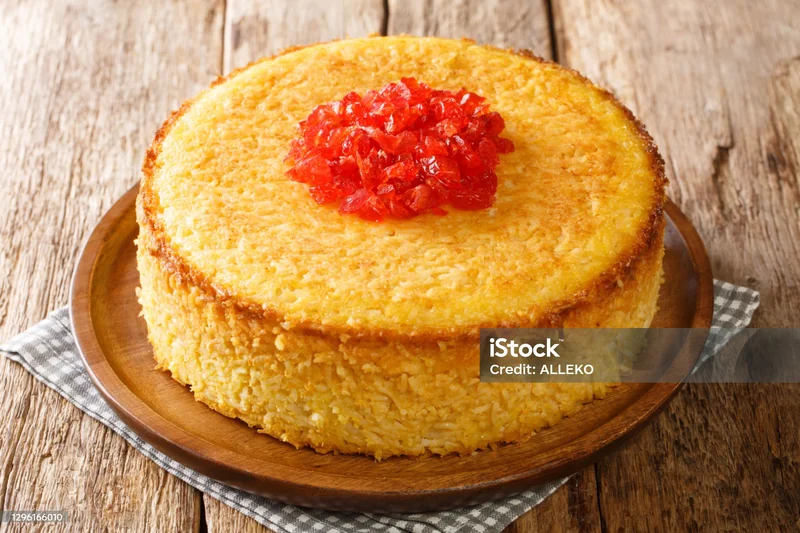
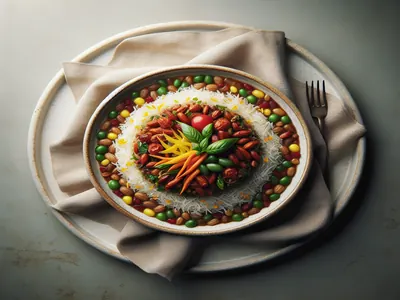
Tahdig arrives shattered into irregular golden shards, each piece crackling and shattering on the teeth. The word means "bottom of the pot"—not a dish itself, but the intentionally charred rice crust created during cooking. In Persian households, this scorched layer is the prize, fought over and treasured far more than the fluffy rice above. The burnt edges release toasted grain flavors that transform a simple side into a delicacy worth perfecting.
Rinse the basmati rice under cold water until the water runs clear. Soak the rice in a large bowl of water for at least 30 minutes, then drain.
If using saffron, dissolve the saffron threads in 2 tablespoons of hot water and set aside.
In a large pot, bring 4 cups of water to a boil. Add a pinch of salt and the soaked and drained rice. Cook the rice for 5-7 minutes until it's partially cooked but still firm in the center. Drain the rice in a colander.
In the same pot, heat 1/4 cup of vegetable oil or melted butter over medium heat. If using potatoes, arrange the thin potato slices in a single layer on the bottom of the pot. This will create a crispy potato layer (optional).
Spoon half of the partially cooked rice over the potato slices (if using), spreading it evenly. Drizzle with a couple of tablespoons of yogurt and a little of the saffron water (if using). Add the remaining rice on top and gently press it down.
Reduce the heat to low. Cover the pot with a clean kitchen towel or a lid wrapped in foil to catch steam. Steam the rice for 30-40 minutes, allowing the bottom layer to become crispy.
To serve, carefully invert the pot onto a serving platter so that the crispy bottom layer (tahdig) is on top. If using potatoes, you should see a beautiful golden crust. Serve the tahdig alongside the rice and any other dishes you like.
Yes, absolutely. The rice is deliberately exposed to direct heat to create caramelization and char. This is not a mistake or a failure—the darker and crispier it gets, the more prized it becomes. Persian cooks compete on the quality of their tahdig.
Yes. The yogurt and potatoes add flavor and additional structure, but plain rice in oil or butter will still form tahdig. Some families use potato, some use flatbread, some use yogurt mixed with oil. Experimentation is encouraged—the goal is a crispy bottom, however you achieve it.
The foil traps and redirects steam back into the pot, creating a gentle pressure that helps cook the rice evenly while preventing dry, hard rice. The towel underneath absorbs excess steam that would otherwise drip back into the rice and make it soggy.
Let the rice rest for 1-2 minutes after turning off the heat so the bottom layer loosens slightly. Place the serving platter firmly over the pot, hold both together, and flip in one quick motion. If it sticks, run a thin spatula around the edges first to loosen the tahdig.
Basmati rice is traditional, with its long grains and relatively low starch content. Jasmine rice also works, though it's less traditional. Avoid short-grain rice, which breaks down during parboiling and won't create crispy layers.