FoodieAtlas
Recipes around the World
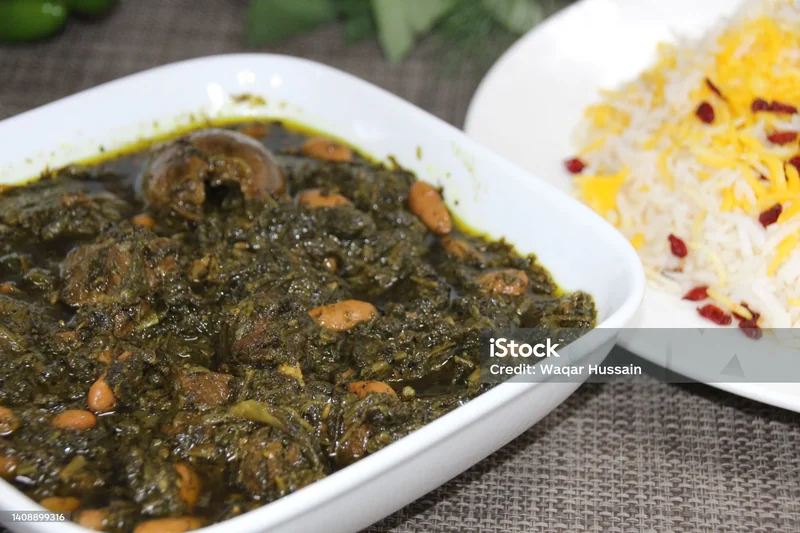
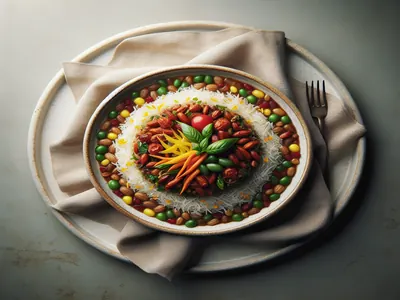
Ghormeh sabzi arrives deep brown and fragrant, with visible herbs and dark kidney beans suspended in a savory sauce. The dish traces to Iran's nomadic past, when long-cooked stews stretched meat and preserved dried limes added sour complexity to simmer for hours. This is Iran's national stew, cooked in every Persian kitchen during winter and special occasions. The tangy-salty preserved lime rounds out spiced meat and fresh herbs, creating a dish that tastes of the entire Iranian pantry.
Heat the vegetable oil in a large pot over medium heat. Add the meat cubes and sear until browned on all sides. Remove the meat and set aside.
In the same pot, add the chopped onions and cook until they are soft and golden brown, about 8-10 minutes.
Stir in the ground turmeric and cumin (if using). Cook for another 1-2 minutes until fragrant.
Add the chopped parsley, cilantro, fenugreek, and chives to the pot. Stir well and cook the herb mixture over medium heat for about 10-15 minutes, until the herbs are wilted and the mixture is fragrant.
Return the browned meat to the pot. Add the dried Persian limes and pour in enough water or beef broth to cover the meat and herbs.
Bring the mixture to a boil, then reduce the heat to low. Cover and simmer for about 1.5-2 hours, or until the meat is tender and the flavors have melded together. Stir occasionally and check for seasoning, adjusting salt and pepper as needed.
If desired, add a tablespoon of lemon juice for a tangy flavor boost.
Serve Ghormeh Sabzi hot over steamed rice, ideally with a side of Persian flatbread.
The long simmer allows the herbs to lose their raw bitterness and meld into the sauce, while the preserved lime's sourness gradually mellows and infuses the meat. Quick cooking leaves it tasting thin and scattered—the depth comes from patient coaxing of flavors together.
Loomi are Citrus aurantifolia (Persian limes) picked unripe and dried whole in the sun for weeks, leaving them hard and dark. They're pierced and added whole to the pot, releasing a bitter-sour funk that no fresh lime or lemon juice can replicate. They're non-negotiable for authenticity.
Kidney beans are traditional, but Persian cooks also use chickpeas or even lentils depending on household preference. Some versions omit beans entirely. The distinction is personal to family tradition rather than a hard rule.
Ghormeh sabzi is defined by its heavy use of fresh herbs—parsley, cilantro, and crucially, fenugreek—cooked until soft and integrated. Other stews like fesenjan focus on nuts and pomegranate, while ash-reshteh emphasizes noodles. The herb component is what makes this dish unique.
Fresh fenugreek leaves (methi) are preferable if you can find them, but dried fenugreek (kasuri methi) works and is easier to source. The flavor is more concentrated, so use less—about one-third the fresh amount. The key is including it at all, as it adds a subtle maple-like sweetness.