FoodieAtlas
Recipes around the World

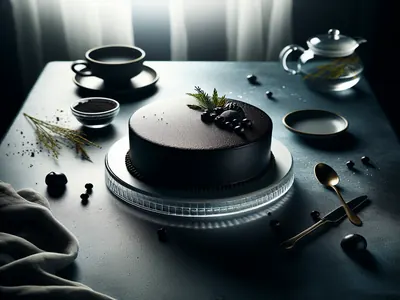
Pepperpot is a dark, mysterious stew that sits at the heart of Guyanese identity—a national dish with Amerindian roots that survives and thrives through centuries. The secret is cassareep, a dark extract made from cassava root that gives pepperpot its distinctive inky color and subtle sweetness. What makes pepperpot truly unique is its philosophy: the pot is never fully emptied; instead, each serving is replaced with new meat and broth, meaning a pepperpot can last for years or even generations. The allspice, cinnamon, and cloves add warmth and complexity. This is a stew that demands time and respect, rewarding patience with depth.
Heat the vegetable oil in a large pot over medium-high heat.
Add the beef and pork chunks and brown on all sides. Remove the meat from the pot and set aside.
In the same pot, add the chopped onion, garlic, and ginger. Sauté until the onion is soft and translucent.
Stir in the ground allspice, ground cinnamon, ground cloves, and brown sugar. Cook for 1-2 minutes to allow the spices to release their aroma.
Add the cassareep and mix well.
Return the browned meat to the pot. Add the whole Scotch bonnet peppers, bay leaves, and beef broth or water.
Bring to a boil, then reduce the heat to low. Cover and simmer for about 2-3 hours, or until the meat is tender and the flavors have melded.
Season with salt and black pepper to taste.
Remove the Scotch bonnet peppers before serving if you prefer a milder stew.
Cassareep is a dark, sticky extract made by cooking down cassava juice with spices. It acts as a preservative and flavoring agent, giving pepperpot its distinctive color and subtle sweetness. It's available in Caribbean markets or online. Don't skip it—there's no substitute that captures its unique quality.
Traditionally, a pepperpot pot is kept going indefinitely. You eat from it, then add fresh meat and broth, and it simmers on until next meal. Over time, flavors deepen and concentrate. Modern cooks make fresh batches, but the philosophical connection to this "eternal pot" is part of pepperpot's identity.
Browning creates a flavorful crust and builds depth in the stew. This technique, combined with the long, slow braise, creates the dark color and rich flavor pepperpot is famous for. Don't skip browning—it's essential to pepperpot's character.
They're traditional but very hot. Some Guyanese families leave them in whole (so people can avoid them), while others remove them before serving. Do whatever matches your heat tolerance. The peppers infuse flavor, so even if removed, their essence remains.
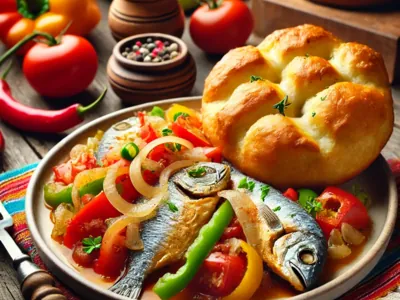
Over fluffy white rice is traditional, or with boiled cassava. Fresh bread, especially crusty whole-grain loaves, helps soak up the rich, dark sauce. Some families serve it with a simple salad or cooked ground vegetables on the side.