FoodieAtlas
Recipes around the World

Tzatziki hits cool and tangy on the tongue—thick Greek yogurt meeting grated cucumber, with garlic and dill creating a flavor that tastes like Greek summer itself. This isn't a complicated sauce; its power comes from quality ingredients and proper technique. Served chilled, tzatziki appears everywhere in Greek meals: alongside souvlaki to cool the charred meat, scooped up with pita, dolloped on the side of grilled fish. It's the perfect pause button in a Mediterranean meal, a moment of refreshment before taking another bite.
Grate the cucumber and place it in a clean kitchen towel. Squeeze out as much excess liquid as possible to prevent the tzatziki from becoming watery.
In a medium bowl, combine the Greek yogurt, grated and drained cucumber, minced garlic, olive oil, lemon juice, and chopped dill.
Mix well until all the ingredients are fully incorporated.
Season with salt and pepper to taste.
Stir again to ensure the seasoning is evenly distributed.
Cover the bowl and refrigerate the tzatziki for at least 1 hour before serving to allow the flavors to meld together.
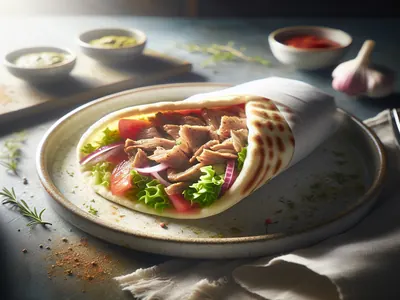
Serve the tzatziki chilled as a dip with pita bread, vegetables, or as a sauce for grilled meats such as souvlaki or gyro.
Cucumbers are mostly water. If you don't squeeze out the liquid, you'll end up with watery tzatziki that dilutes the yogurt and separates over time. A tight squeeze in a clean kitchen towel is essential.
Regular yogurt is too thin and watery. Greek yogurt is strained to remove whey, giving it the thick consistency that makes tzatziki authentic. If you only have regular yogurt, strain it through cheesecloth overnight.
Raw garlic gives tzatziki its characteristic sharp bite. Some people like to use garlic that's been minced very fine to distribute evenly, but cooking it would ruin the whole point of this sauce.
Fresh dill is best and gives the brightest flavor. Dried dill works if you must, but use less—it's more concentrated. Add it to taste.
Refrigerated in an airtight container, tzatziki keeps for 3-4 days. The flavors actually meld better after a day in the fridge, so making it ahead is a good idea.