FoodieAtlas
Recipes around the World
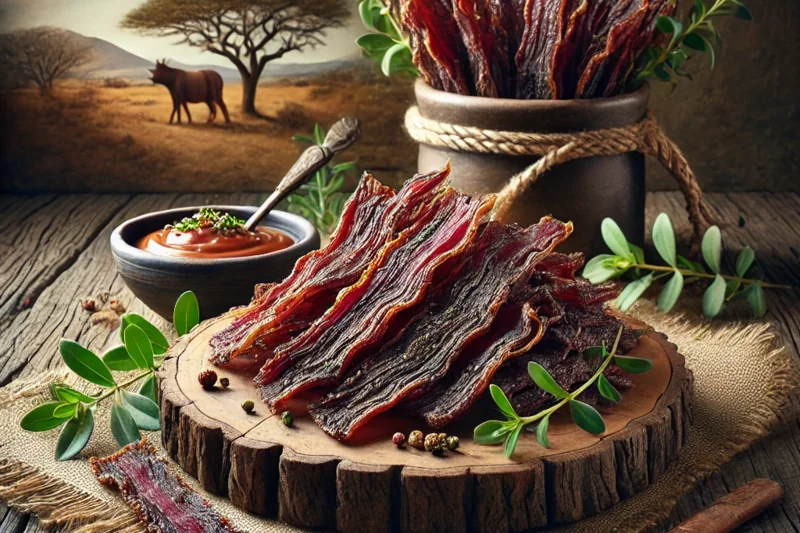
Umncweba is salty, chewy, intensely flavorful beef that's been transformed through sun-drying into something that tastes nothing like its raw starting point—each thin slice concentrated with beef flavor and preserved in a way that speaks to Swazi resourcefulness and understanding of meat preservation. The process is straightforward but demands patience: beef is sliced thin, salted heavily, and laid in the sun until dry enough to keep for months, the salt both seasoning the meat and drawing out moisture that would otherwise allow spoilage. Unlike the spiced, peppered biltong of South Africa, Umncweba is simpler, letting the beef and salt speak for themselves. It's eaten as a snack, shredded into meals for texture and depth, or chewed slowly as something to occupy idle hands—food that lasts, food that travels, food that keeps when fresh meat cannot.
In a large pot, bring the water to a boil. Add the salt and sugar (if using).
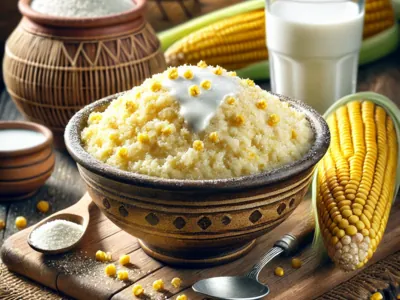
Gradually stir in the maize meal, whisking continuously to prevent lumps.
If using, stir in the grated pumpkin or butternut squash.
Reduce the heat to low and cook the mixture, stirring frequently, for about 15-20 minutes, or until it thickens and the maize meal is fully cooked.
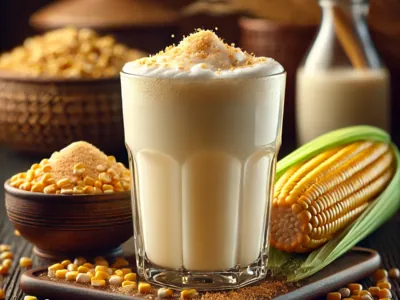
Stir in the milk or cream if desired, for added creaminess.
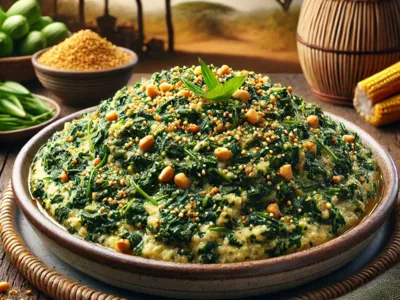
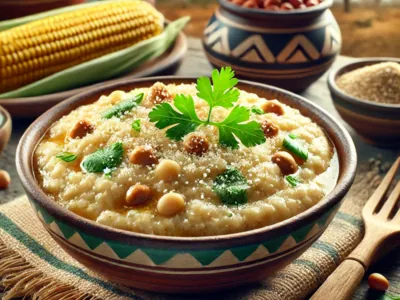
Transfer the Umncweba to a serving dish. Let it cool slightly before slicing or serving.
Enjoy your meal!
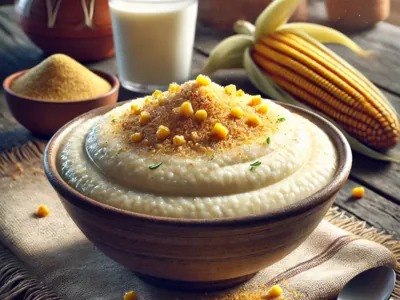
Umncweba is a traditional snack made from maize meal, often enjoyed for its simple yet satisfying flavor.
Umncweba originates from Eswatini, reflecting the country's agricultural practices and cultural traditions.
The key ingredients include maize meal, water, salt, and optional additions like sugar and grated pumpkin.
Umncweba takes about 20-30 minutes to prepare and cook.
Umncweba pairs well with spicy sauces, stews, or can be enjoyed on its own as a snack.
Typically three to five days in dry, sunny weather, depending on the thickness of the slices and local humidity. Thinner strips dry faster. The meat should bend slightly but not snap completely—if it snaps, it's over-dried.
Salt is essential for preservation and flavor. A generous coating is traditional—enough that the beef appears white with salt crystals. As it dries, the salt becomes more evenly distributed. Rinsing briefly before eating can reduce saltiness if preferred.
Yes, a low oven (150-170°F) or a food dehydrator works, though sun-dried versions develop a more distinctive flavor. Low and slow is key—high heat toughens the meat rather than drying it properly.
When properly dried and stored in a cool, dry place, Umncweba can keep for several months. Some Swazi families store it in cloth bags in a cool cupboard or even hang it in a kitchen.
Both are dried beef, but Biltong (South African) includes spices like pepper and coriander, while Umncweba typically uses only salt. Umncweba is usually thinner and more delicate than the chunkier biltong.