FoodieAtlas
Recipes around the World
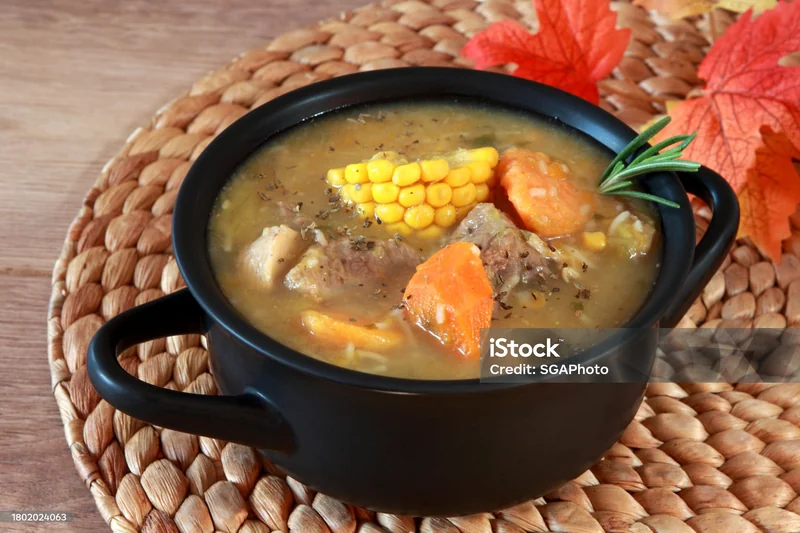
The smell of Sopa De Pata simmering is unmistakable: herbaceous cilantro, deep cumin, the earthy sweetness of plantain and yuca merging into one complex, inviting aroma. This soup exists because Salvadorans know how to honor every part of the animal, coaxing tenderness and gelatin from cow's trotters through hours of patient simmering. The broth becomes thick and rich from the collagen released by the bones and connective tissue, creating a soup that nourishes both body and spirit. Distinct from lighter broths or quick vegetable soups, Sopa De Pata is a project—the kind of food made on weekends or special days when time is part of the recipe.
In a large pot, add the cow's foot, beef tripe, and beef shank or oxtail. Cover with water and bring to a boil. Cook for about 10 minutes, then drain and rinse the meat. This helps remove impurities.
Refill the pot with 10 cups of fresh water or beef broth. Add the meat back to the pot and bring to a boil. Reduce heat to low and simmer for about 2 hours, or until the meat is tender.
Add the chopped onion, minced garlic, tomatoes, bell pepper, corn, plantains, yuca, carrots, and potatoes to the pot.
Stir in the ground cumin, dried oregano, ground black pepper, and salt. Continue to simmer for another 30-40 minutes, or until the vegetables are tender.
Stir in the chopped cilantro and adjust seasoning with additional salt and pepper if needed.
Ladle the soup into bowls, making sure to include a mix of meat and vegetables in each serving.
This initial boiling, called blanching, removes surface impurities, scum, and excess fat that would otherwise cloud the broth and make it less appetizing. Discarding this water and starting fresh ensures a cleaner-tasting final soup with better flavor clarity.
Cow's foot contains a high proportion of bone and connective tissue, which release collagen as they cook. This collagen becomes gelatin, thickening the broth naturally without any added starch. This is why Sopa De Pata has such a luxurious, body-full texture.
Yes, though plantain, yuca, corn, and carrots are traditional, some cooks add chayote, calabaza squash, or potatoes for extra substance. The key is using vegetables that hold their shape during long cooking.
Serve hot in deep bowls with warm corn tortillas on the side. Many Salvadorans add fresh lime juice, chopped cilantro, and thinly sliced radishes at the table for brightness and crunch against the rich broth.
Yes, it actually improves after a day as flavors meld further. Refrigerate in a covered container for up to four days, or freeze for up to two months. The broth will gel when cold due to the collagen, which is a good sign of quality.