FoodieAtlas
Recipes around the World
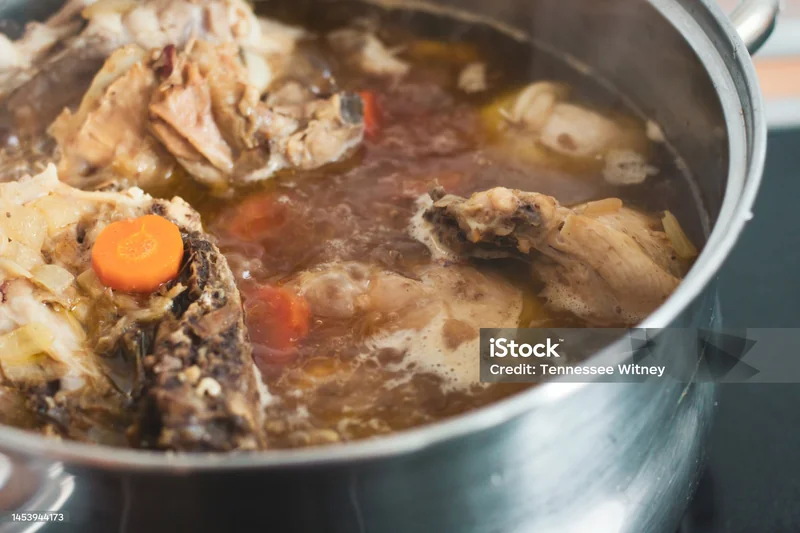
When you lift the lid from the pot, a billow of aromatic steam—fragrant with goat, spices, and ghee—rises and signals the beginning of celebration. Fah-fah is whole-goat cooking, a Djibouti and wider Somali tradition reserved for weddings, Eid, and major family events. The steam itself becomes part of the ceremony, a sensory announcement that something significant is happening. The meat, cooked low and long in spiced broth, becomes impossibly tender, falling from bones with barely a touch. It's not everyday food—it's feast food, the kind that brings communities together.
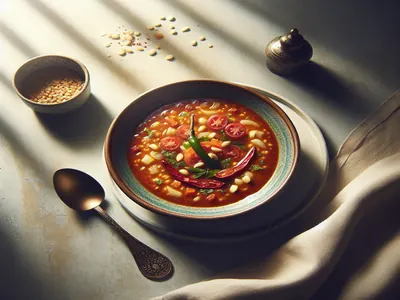
Heat vegetable oil in a large pot over medium heat. Add the chopped onion and garlic. Sauté until the onion is translucent.
Add the beef cubes to the pot and cook until they are browned on all sides.
Stir in the ground cumin, ground coriander, paprika, turmeric, black pepper, and salt. Cook for a few minutes until the spices are fragrant.
Add the chopped tomatoes to the pot. Stir and cook for about 5 minutes, allowing the tomatoes to break down and release their juices.
Pour in the beef or chicken broth and water. Stir well. Bring the mixture to a boil, then reduce the heat to low and cover the pot. Let it simmer for about 1-1.5 hours, or until the beef is tender.
Adjust seasoning if necessary. Garnish with chopped fresh cilantro or parsley before serving.
Whole-goat cooking is ceremonial and communal in Djibouti. It's not practical for daily meals but essential for celebrations because it feeds many people and represents abundance and honor. The slow cooking makes every part edible and tender.
Traditionally, 4-6 hours or more. The meat becomes fall-off-the-bone tender, and the broth develops deep, complex flavor. There's no rushing fah-fah—the long slow cook is what makes it special.
The xawaash blend—cardamom, cumin, clove, cinnamon—is standard. Onions, garlic, and sometimes ginger add body. Ghee is traditional cooking fat. The result should smell intensely aromatic and warming.
Yes, though the name and tradition are specific to whole goat. Lamb works beautifully and reduces cooking time to 2-3 hours. Beef works but is less traditional and takes similar time to goat.
In Djiboutian tradition, yes. The steam release is ceremonial—it announces the feast and signals readiness to serve. While the meat would cook the same covered the whole time, opening it to release steam is part of the cultural experience and celebration.