FoodieAtlas
Recipes around the World
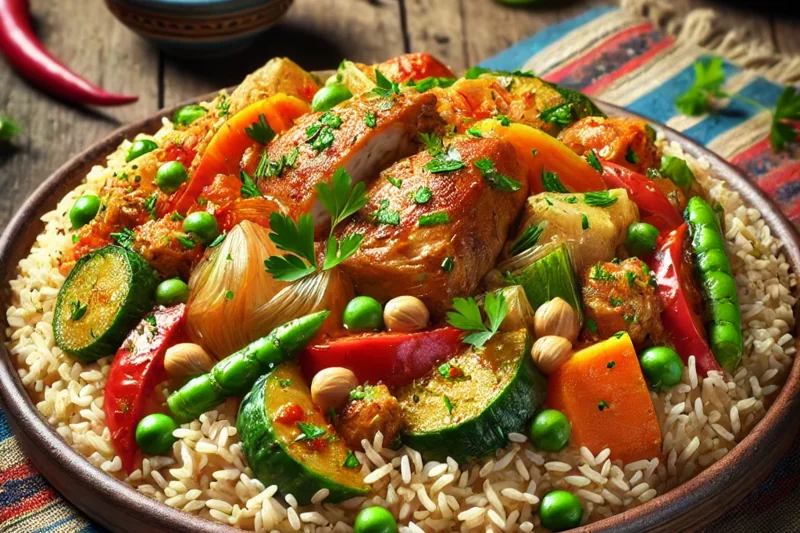
The creamy, dense porridge coated in clarified butter is both humble and luxurious—sorghum cooked until soft enough to mash, then folded with ghee and subtle spices into something almost buttery despite the grain base. Dambouk appears throughout the Djiboutian diet, equally at breakfast, lunch, or dinner, adapted with different toppings and levels of sweetness. The technique is ancient, practical, and enduring—a way to make grains maximally satisfying with minimal additional ingredients. The ghee layer on top is tradition and promise: a sign of abundance and care.
Rinse the millet under cold water until the water runs clear. Drain well.
In a medium saucepan, bring 2 cups of water to a boil. Add the rinsed millet and salt (and sugar if using). Stir well.
Reduce the heat to low, cover the saucepan, and let it simmer for about 20-25 minutes, or until the millet is tender and the water is absorbed. Stir occasionally.
Once the millet is cooked, remove from heat. Stir in the vegetable oil or butter until well combined.
Fluff the millet with a fork and transfer to a serving dish. Garnish with fresh herbs if desired.
They're different grains, though both are traditional in the Horn of Africa. Sorghum is larger and chewier; millet is smaller and more delicate. Either works for dambouk, though sorghum is more authentic to Djibouti. Texture will vary slightly between them.
Ghee adds richness and flavor that makes the grain-based dish satisfying and luxurious. It also extends shelf life and provides fat-soluble nutrients. You can use butter or vegetable oil, but ghee is traditional and gives the deepest flavor.
Traditionally, enough to create a rich layer—roughly 2-3 tablespoons per cup of cooked grain. The exact amount depends on personal preference. More ghee makes it richer; less reduces the indulgence but keeps it lighter.
Both. Traditionally eaten plain with a topping of ghee, it can also be dressed with honey and sugar for sweetness or with spices, herbs, and meat for a savory meal. The base is neutral, adapting to whatever the cook envisions.
Rinse the grain well before cooking to remove excess starch. Stir occasionally during cooking. Use the recommended water-to-grain ratio. If it does clump, mash with a fork or whisk to break lumps apart while still hot.