FoodieAtlas
Recipes around the World
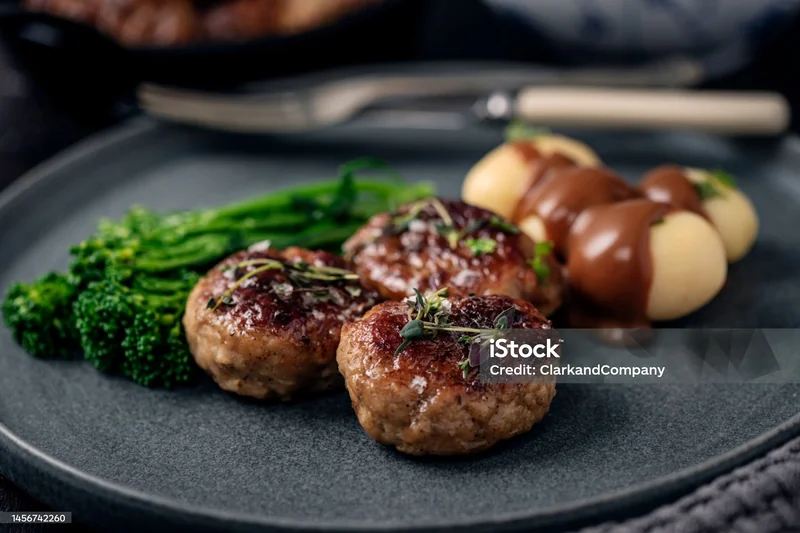
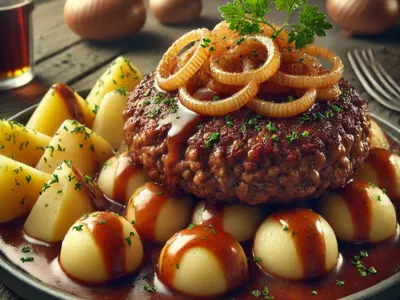
Countless Danish families prepare frikadeller so often that they can shape the patties blindfolded—these gently flattened ovals have become the most universally eaten dish in Denmark. The combination of pork and veal (or beef) creates a delicate, fine-textured meatball that contrasts beautifully with crispy browned exteriors. Eaten cold on dark rye bread as lunch or served hot with potatoes and gravy as dinner, frikadeller adapt to any occasion and time of day. The ease of preparation combined with universal approval makes them Denmark's ultimate comfort food—humble enough for Tuesday night, refined enough for guests, economical enough for every family's budget.
In a large bowl, combine the ground pork and ground beef.
Add the finely chopped onion, minced garlic, breadcrumbs, and milk.
Crack the egg into the mixture and add the salt, black pepper, nutmeg, allspice, and parsley (if using).
Mix everything together until well combined. It’s best to use your hands for mixing to ensure even distribution of ingredients.
With wet hands, shape the mixture into small, round meatballs or patties, about 1.5 inches in diameter.
Heat the vegetable oil in a large skillet over medium heat.
Add the meatballs or patties to the skillet, making sure not to overcrowd them.
Cook for about 5-6 minutes on each side, or until they are browned and cooked through (internal temperature should reach 160°F or 71°C).
Remove the frikadeller from the skillet and drain on paper towels.
The flat, flattened oval shape increases surface area for browning, creating more crust per bite. Flattened patties also cook faster and more evenly than balls. The traditional shape comes from practical hand-shaping—wet hands naturally flatten and smooth the mixture into ovals more easily than rolling it into perfect spheres.
Use medium-high heat in butter and don't disturb the frikadeller as they cook. Let them develop a good crust on the first side (3-4 minutes) before gently flipping to the other side. Overcrowding the pan or moving them constantly prevents proper browning.
Both combinations are traditional. Veal creates more delicate, finer-textured frikadeller; beef makes them richer. Many Danish cooks use a combination of all three meats (pork, veal, and beef) for optimal texture. Pork must be included—it's the essential base for authentic flavor.
Prepare them the day before and refrigerate fully, then serve them chilled on open-faced rye bread sandwiches with pickled cucumbers, mustard, and crispy onions. Cold frikadeller are perfect for lunch boxes, picnics, and smørrebrød (Danish open-faced sandwiches).
Modern adaptations exist using lentils, mushrooms, or plant-based ground meat, though they're not traditional. Purist Danes insist that frikadeller must contain meat to be authentic. Plant-based versions work for dietary needs but represent contemporary adaptation rather than cultural tradition.