FoodieAtlas
Recipes around the World
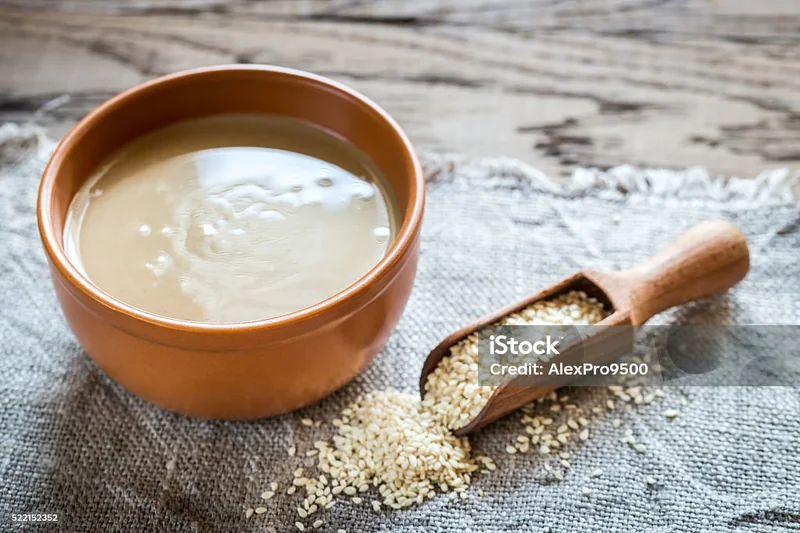
The aroma of roasted sesame fills the kitchen as tahini paste is blended smooth and tangy with fresh lemon. On Cyprus, this creamy dip has graced tables since ancient times, originally made by hand-grinding sesame seeds in stone mortars. Unlike the hummus of neighboring regions, Cypriot tahini relies on the pure essence of sesame without chickpeas, showcasing the ingredient's nutty depth. It's a fixture of daily meze boards and holiday spreads, drizzled with golden olive oil and a squeeze of lemon, connecting generations through its simple, honest flavor.
In a bowl, mix the tahini and lemon juice until smooth. The tahini will thicken when mixed with the lemon juice.
Stir in the minced garlic and salt to taste. Mix well.
Gradually add water, one tablespoon at a time, until you reach your desired consistency. The tahini should be creamy but not too runny.
For extra flavor, you can drizzle in a tablespoon of olive oil.
Serve as a dip, or use it as a spread or sauce for various dishes.
Tahini is a creamy paste made from ground sesame seeds that becomes smooth when mixed with lemon juice and garlic. Unlike hummus, it contains no chickpeas and depends entirely on the sesame for its rich, nutty character.
This dip originates from Cyprus, where it has been a cornerstone of the island's Mediterranean cuisine for centuries. It appears on tables as a meze alongside olives, cheese, and fresh bread.
The essentials are tahini paste, fresh lemon juice, garlic, salt, and a splash of olive oil. Some recipes add a touch of water to reach the ideal creamy consistency.
The balance between sesame and lemon is crucial—too much lemon will curdle it, too little will be bitter. A good rule is to start with equal parts tahini and lemon juice, then adjust to taste.
Serve it with warm pita bread, alongside raw vegetables, or as a sauce for grilled chicken and fish. A drizzle of olive oil and paprika on top makes an elegant finishing touch.