FoodieAtlas
Recipes around the World
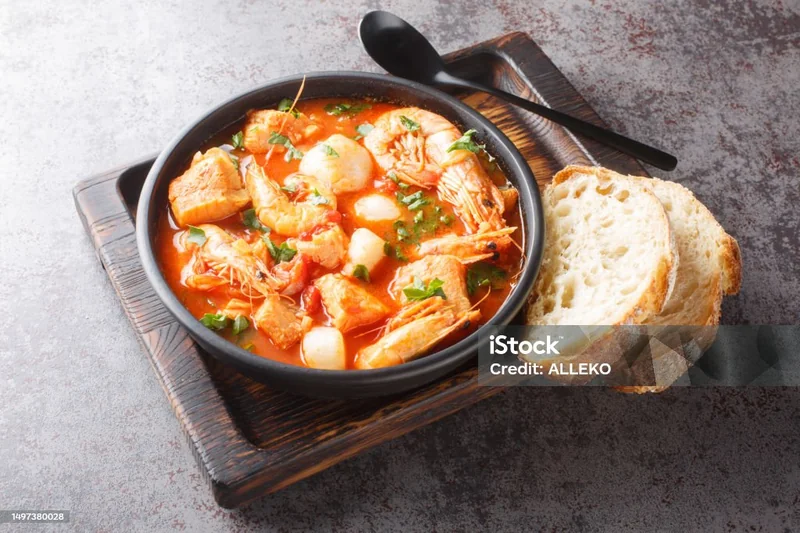
The aroma of simmering tomato and wine fills the kitchen as fresh-caught fish gently cooks in brodet, a Dalmatian classic from Croatia's coast. This stew emerged from fishermen's resourcefulness, combining whatever day's catch brought to shore into one flavorful pot. The distinctive cooking method—shaking the pot instead of stirring—keeps delicate fish intact while blending flavors seamlessly. Served alongside creamy polenta or crusty bread, brodet represents centuries of Mediterranean seafaring tradition, where simplicity and quality ingredients define coastal cuisine.
Heat the olive oil in a large pot or Dutch oven over medium heat.
Add the chopped onion and cook until it becomes translucent, about 5 minutes.
Stir in the minced garlic and cook for another 1-2 minutes until fragrant.
Add the chopped bell pepper and diced tomatoes to the pot. Cook for about 5 minutes, stirring occasionally.
Stir in the tomato paste, paprika, thyme, oregano, black pepper, and salt.
Pour in the white wine and cook for 2-3 minutes, allowing the alcohol to evaporate.
Add the fish stock or water, bay leaf, and bring to a simmer.
Gently add the fish chunks to the pot. Simmer for about 15-20 minutes, or until the fish is cooked through and tender.
If using, stir in the black olives and cook for an additional 5 minutes.
Remove the bay leaf and discard.
Stir in the chopped parsley and basil (if using).
Taste and adjust seasoning with additional salt or pepper if needed.
Ladle the Brodet into bowls and serve with lemon wedges on the side.
Enjoy with crusty bread or over polenta.
Shaking the pot allows flavors to blend gently without breaking apart delicate fish. The technique, passed down through generations, preserves texture while achieving the unified flavor profile brodet demands. It's as much about respect for the ingredient as it is about technique.
Traditional brodet uses whatever the day's catch brought in—typically cod, hake, sea bass, and rockfish. Each region along the Dalmatian coast has favorite combinations, but the principle remains consistent: choose firm-fleshed fish that won't disintegrate during cooking. Mixing varieties creates layered flavor complexity.
Both are Mediterranean fish stews, but brodet reflects Dalmatian cooking traditions while bouillabaisse comes from French Provence. Brodet emphasizes tomato and wine more prominently, and uses the distinctive shaking method. The broths differ too—brodet's is more tomato-forward, while bouillabaisse develops a richer, more complex base.
Fresh fish delivers superior flavor and texture in brodet, but frozen fish works if you thaw it completely and drain excess liquid. The cooking time may need slight adjustment depending on fish thickness. Quality matters more than whether the fish is fresh or frozen—avoid overly processed varieties.
Serve brodet in wide bowls with plenty of broth, accompanied by polenta or thick-cut crusty bread for soaking up the liquid. A squeeze of fresh lemon brightens the flavors just before eating. In Croatia, this humble stew requires nothing more—the focus stays on the fish and broth itself.