FoodieAtlas
Recipes around the World
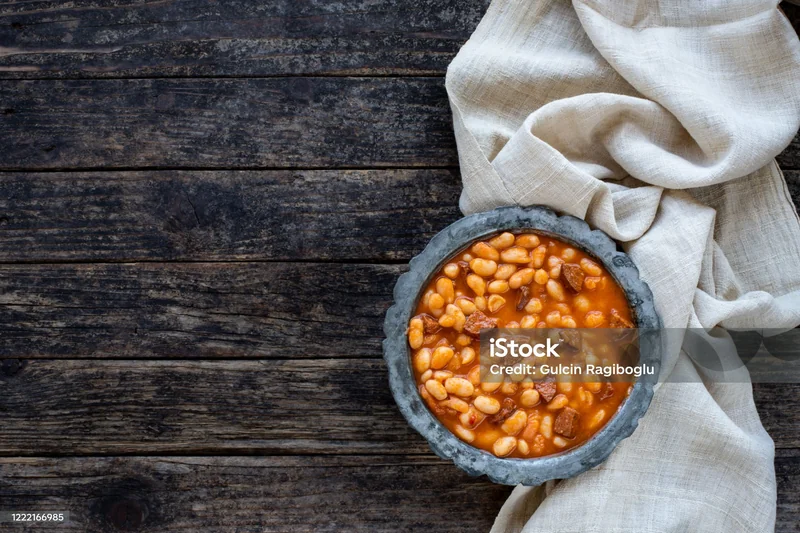
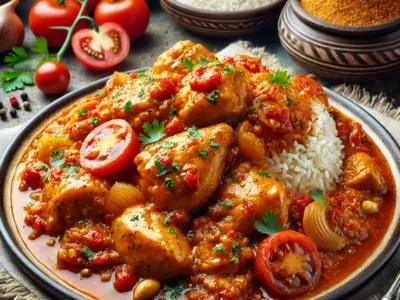
Madesu arrives as a simple white bean stew suffused with palm oil and tomato, the beans soften gradually until they almost dissolve into the sauce. This dish appears on Congolese tables as proof that nourishment and flavor need not require exotic ingredients or elaborate technique. White beans are protein-packed and affordable, making Madesu a reliable everyday meal that vegetarian and non-vegetarian cooks alike prepare regularly. The palm oil gives it richness while the natural starch from the beans creates a naturally creamy texture without cream.
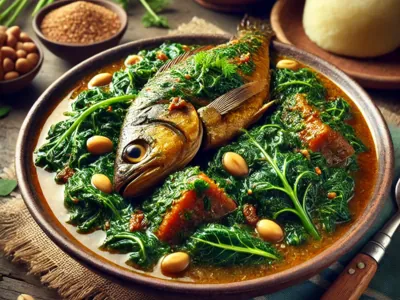
If using dried cassava leaves, rinse them thoroughly and soak them in water for a few hours or overnight to rehydrate. Drain and set aside. If using fresh cassava leaves, wash and chop them finely.
Heat the palm oil or vegetable oil in a large pot over medium heat.
Add the chopped onion and minced garlic, and sauté until the onion is translucent.
Add the meat pieces and cook until browned on all sides.
Stir in the ground peanuts or peanut butter, ensuring it coats the meat evenly.
Add the beef or chicken broth gradually, stirring continuously to create a thick, rich sauce.
Stir in the prepared cassava leaves, making sure they are well incorporated into the sauce.
Add ground crayfish (if using), ground paprika, dried thyme, ground black pepper, and salt. Mix well.
Reduce the heat to low, cover the pot, and let it simmer for about 45-60 minutes, or until the meat is tender and the flavors have melded together. Stir occasionally, adding more broth if necessary to maintain a stew-like consistency.
Serve the Madesu hot, accompanied by rice, fufu, or plantains.
Yes, absolutely. Canned beans will reduce cooking time dramatically—add them in the last 15-20 minutes rather than at the beginning. They're already soft, so extended cooking will make them mushy. Drain and rinse them first to remove excess sodium. Dried beans take longer but develop slightly better flavor as they absorb the sauce.
Navy beans, great northern beans, or cannellini beans all work well. The distinction is subtle—choose whichever is available and affordable. Congolese cooks use whatever dried white beans their market carries. Consistency matters more than variety.
Palm oil gives Madesu its characteristic richness and slight sweetness that vegetable oil cannot replicate. If unavailable, vegetable oil works functionally, but the dish loses some authentic flavor. Palm oil also has a higher smoke point, making it ideal for Congolese cooking techniques.
Certainly. Brown cubed beef or chicken separately, then add it to the beans about halfway through cooking. Many Congolese cooks prepare a meat version for protein, while keeping the basic bean stew vegetarian. Both versions are equally traditional.
The most common cause is old beans or insufficient cooking time. Soak them overnight before cooking for better hydration. If your beans still seem hard after 45 minutes of simmering, they may be too old—discard and try a fresher batch. Salt only at the very end; salt added early can prevent beans from softening.