FoodieAtlas
Recipes around the World
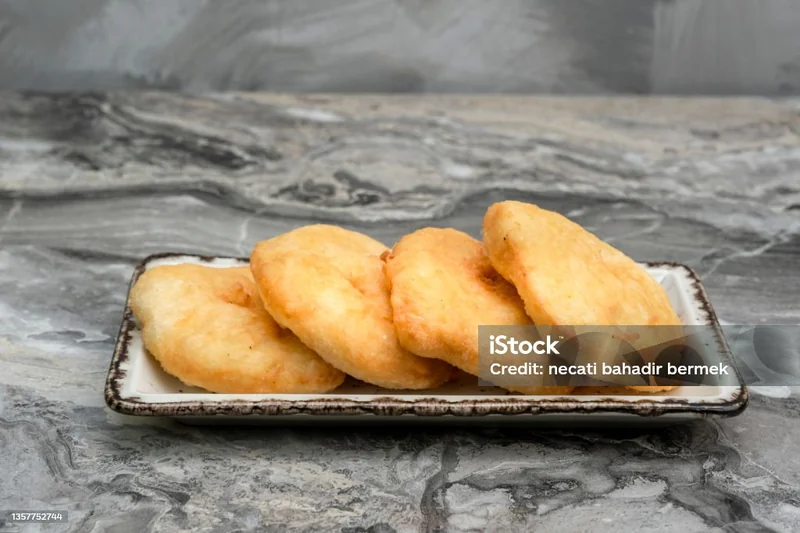
Bannock comes from the oven or skillet golden and warm, its crust light brown and slightly crispy, its interior tender and pillowy. This flatbread originated with Indigenous peoples across Canada, who made simple doughs from available grains and fats, adapting recipes across countless communities and regions. When European fur traders arrived, they brought their own bannock traditions from Scotland, blending with Indigenous practices to create the bread we know today. Bannock now represents a bridge between Indigenous food traditions and colonial history, and it remains central to Indigenous communities across Canada and beyond.
Preheat your oven to 375°F (190°C).
In a large mixing bowl, whisk together the flour, sugar, baking powder, and salt.
Add the cold, cubed butter to the dry ingredients. Using a pastry cutter or your fingers, cut the butter into the flour mixture until it resembles coarse crumbs.
In a separate bowl, combine the milk (or water) with the egg, if using.
Pour the wet ingredients into the dry ingredients. Mix until just combined, being careful not to overwork the dough. If using raisins or dried fruit, fold them in now.
Turn the dough out onto a lightly floured surface and gently knead it a few times until it holds together.
Pat the dough into a round or square shape about 1 inch thick. Transfer to a baking sheet lined with parchment paper or a greased baking dish.
Bake in the preheated oven for 20-25 minutes, or until the top is golden brown and a toothpick inserted into the center comes out clean.
Allow the bannock to cool slightly before slicing. Serve warm or at room temperature.
Bannock is rooted in Indigenous food traditions spanning thousands of years. Scottish bannock traditions also influenced it when European traders arrived. Today, bannock symbolizes cultural resilience and remains central to Indigenous communities across Canada, with variations in every region.
Both are traditional. Fried bannock is crispy outside and fluffy inside, closer to frybread traditions. Baked bannock is lighter and less indulgent. The choice depends on personal preference and what it will be served with—each method has distinct advantages.
Bannock varies across regions and communities. Some versions include raisins or dried fruit, others skip sugar entirely, some add eggs for richness, and some use water instead of milk for a lighter crumb. Each variation reflects local traditions and available ingredients.
Bannock is incredibly versatile: serve it warm with butter and jam, eat it alongside soups or stews, use it as a sandwich base, or enjoy it with savory toppings. It works equally well as a breakfast bread or a main-course accompaniment.
Bannock is best eaten fresh, but it keeps wrapped in a cloth or paper bag for a day. You can refresh it by wrapping in foil and warming in the oven. Historically, bannock was also cooked in ways that allowed it to keep for weeks on journeys.