FoodieAtlas
Recipes around the World
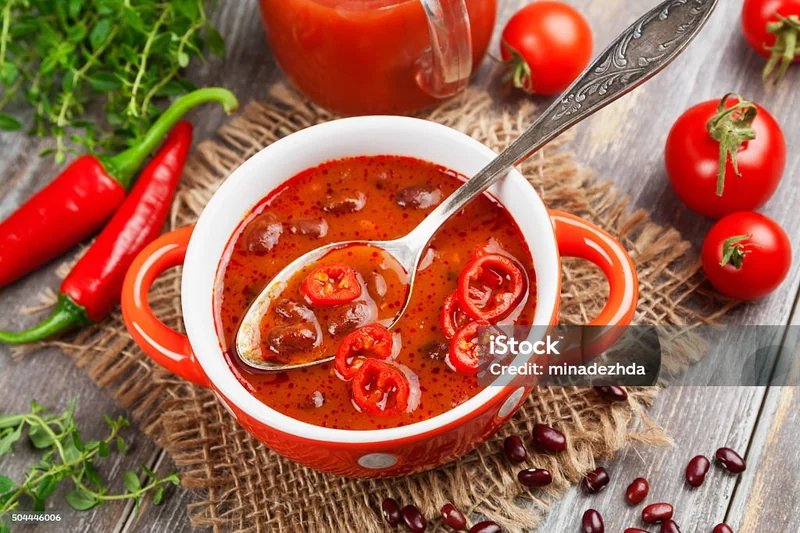
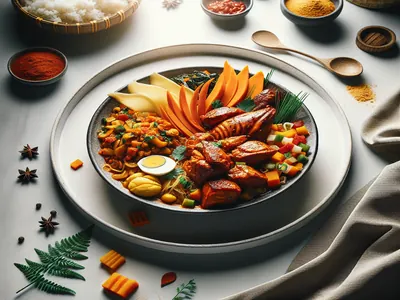
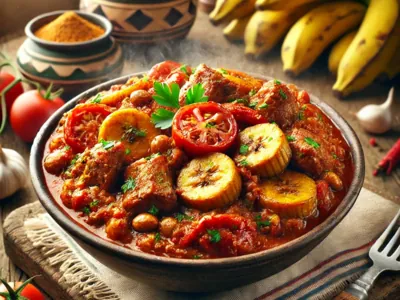
Steam rises carrying the sharp bite of black pepper mixed with the umami depth of crayfish powder and the warmth of ginger. Pepper soup is less stew and more medicinal broth in Cameroon, eaten at the start of meals to cleanse the palate and stimulate appetite. The minimal ingredients—meat, stock, pepper, crayfish—allow each component to shine, with pepper soup's power coming from technique rather than complexity. Across West Africa, versions of pepper soup vary by region, but the Cameroonian version is known for its heat and clarity, traditionally served in individual bowls as an appetizer before more substantial dishes arrive.
In a large pot, heat the palm oil over medium heat.
Add the chopped onion and minced garlic. Sauté until the onions are translucent.
Add the beef or chicken chunks to the pot. Season with ground pepper, ground crayfish, Maggi or seasoning cubes (if using), and salt.
Stir well to coat the meat with the spices and cook until browned.
Pour in the water or beef/chicken broth, ensuring the meat is covered.
Bring to a boil, then reduce the heat to low. Cover and simmer for about 45 minutes, or until the meat is tender.
If using, stir in the ground uziza seeds for a traditional flavor.
Add the chopped fresh parsley or cilantro if desired.
Taste the soup and adjust seasoning as needed. Add more ground pepper if you prefer a spicier soup.
Serve the Pepper Soup hot, garnished with additional fresh herbs if desired.
Pepper soup is a clear broth, not thickened like stew, where each ingredient remains distinct and visible. It's thinner, peppery, and eaten as an appetizer to stimulate appetite before the main meal. The emphasis is on boldness from pepper and umami from crayfish rather than richness or sauce.
Crayfish powder adds umami and a savory depth that elevates simple broth into something distinctive and flavorful. It's a quintessential West African seasoning that gives pepper soup its characteristic taste. Dried shrimp powder can substitute if crayfish is unavailable, though crayfish is traditional.
Pepper soup should be genuinely spicy, with the pepper flavor prominent rather than hidden. Start with 2-3 tablespoons of ground black pepper per pot and add more to taste—it should warm the throat and create a tingling sensation. Adjust based on personal preference and guest tolerance.
Palm oil adds subtle sweetness and color to the soup, plus a rich mouth-feel that balances the sharp pepper heat. Use a small amount—just enough for flavor, not to create an oily broth. Red palm oil is traditional; use sparingly as a little goes a long way.
In Cameroon, pepper soup is usually served as an appetizer in small individual bowls before the main meal arrives. It stimulates appetite and prepares the stomach for heavier dishes. However, it can be eaten as a light main course, especially in home settings, served with bread or rice on the side.