FoodieAtlas
Recipes around the World
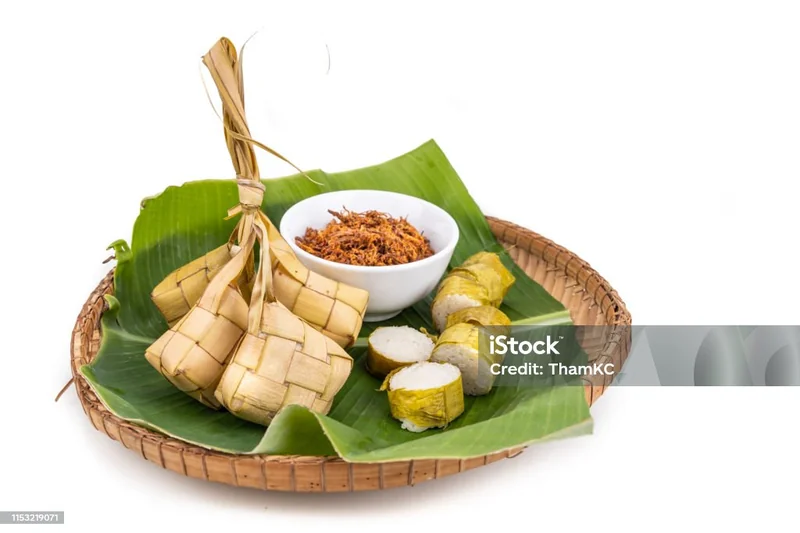
Ketupat is a beloved traditional snack in Brunei, made from glutinous rice wrapped in palm leaves. It holds cultural significance as a festive dish, often enjoyed during celebrations and gatherings, symbolizing unity and togetherness.
Rinse the glutinous rice under cold water until the water runs clear.
Soak the rice in water for about 1 hour.
If using pandan leaves or banana leaves, lightly heat them over an open flame or in a pan to make them pliable.
Cut the leaves into squares that are large enough to wrap around the rice.
Drain the soaked rice and mix it with salt.
Place a portion of the rice in the center of each leaf square.
Fold the leaves around the rice to form a compact square or diamond shape.
Secure the wrapped rice with string or kitchen twine.
Bring a large pot of water to a boil.
Add the wrapped rice packets to the boiling water.
Reduce the heat to low and simmer for about 1.5 to 2 hours, ensuring that the water remains at a gentle boil. The ketupat is done when the rice is firm and fully cooked.
Remove the ketupat from the water and let them cool.
Remove the leaves and slice the ketupat into bite-sized pieces if desired.
Enjoy your meal!
Ketupat is a rice cake made from glutinous rice, wrapped in leaves, and boiled until cooked.
Ketupat is a traditional dish in Brunei, commonly prepared during festive occasions.
The key ingredients include glutinous rice, water, salt, and pandan or banana leaves.
It takes approximately 110-150 minutes to prepare and cook Ketupat.
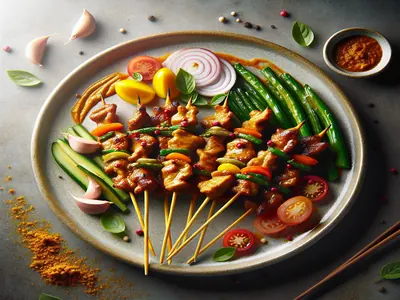
Ketupat is often served with rendang, satay, or coconut milk for a delightful meal.