FoodieAtlas
Recipes around the World
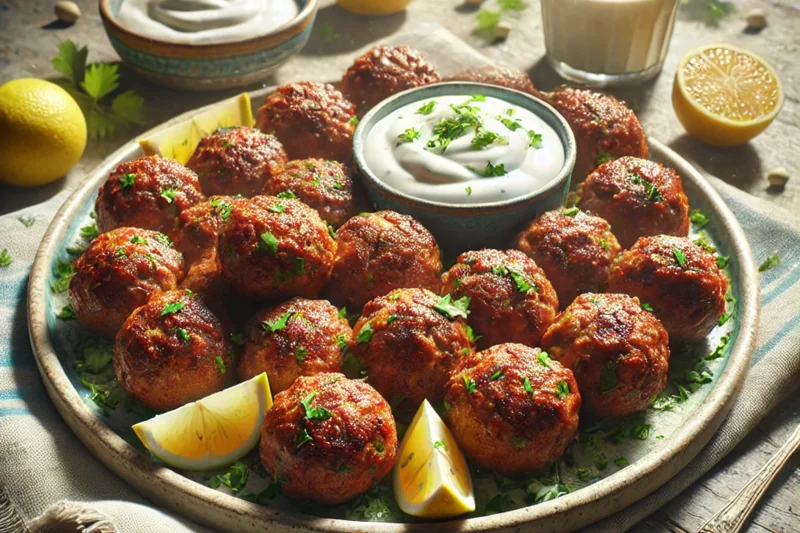
Afghan kofta sizzle in the pan with an aroma of cumin and cinnamon that announces dinner from across the house — the ground meat mixed with grated onion, fresh cilantro, and a warm spice blend that sets it apart from the simpler kofta of neighboring Pakistan or the tomato-stewed varieties of Iran. The meat-on-skewer tradition runs deep across the entire stretch of land from Persia to the Himalayas; Afghanistan sits at its crossroads, and the Afghan version is notable for its use of both warm sweet spices (cinnamon, nutmeg) alongside the savory cumin and coriander. Street vendors in Kabul serve kofta in flatbread with onion, fresh tomato, and a smear of spiced oil; at home it is more likely plated alongside chalau rice and a yogurt sauce. Chill the shaped kofta in the fridge for 30 minutes before cooking — this firms up the mixture and prevents them from falling apart in the pan.
In a large mixing bowl, combine the ground beef or lamb, grated onion, minced garlic, chopped parsley, chopped cilantro, ground cumin, ground coriander, ground paprika, ground cinnamon, ground black pepper, ground nutmeg, cayenne pepper (if using), beaten egg, breadcrumbs, and salt. Mix well until all ingredients are thoroughly combined.
Take small portions of the mixture and shape them into oval or cylindrical patties, about the size of a small sausage.
Heat olive oil in a large skillet over medium heat. Add the koftas and cook for about 5-7 minutes on each side, or until they are browned and cooked through. You may need to cook them in batches to avoid overcrowding the pan.
Remove the koftas from the skillet and drain on paper towels to remove excess oil. Serve hot with rice, salad, or flatbread, and a side of yogurt sauce or chutney.
Kofta are seasoned ground meat preparations shaped into cylinders, patties, or balls that are then fried, grilled, or braised. The Afghan version uses ground lamb or beef mixed with grated onion, fresh cilantro and parsley, and a blend of warm spices including cinnamon and nutmeg alongside the more common cumin and coriander — giving it a distinctive warmth that sets it apart from simpler regional versions.
Kofta appear throughout Persian, Ottoman, South Asian, and Central Asian cuisines — the word itself is derived from the Persian "kufta" meaning "to pound." Afghanistan sits at the intersection of these traditions, and Afghan kofta reflects the country's Persian cultural heritage particularly through its use of warm sweet spices in savory meat preparations, a hallmark of medieval Persian court cooking.
Ground beef or lamb forms the base; grated (not chopped) onion is crucial — grating rather than dicing releases the onion's moisture and flavor into the meat, helping the kofta stay moist. The spice blend is the defining element: cumin, coriander, paprika, cinnamon, black pepper, nutmeg, and optional cayenne. Fresh cilantro, parsley, and a beaten egg bind the mixture.
Chill the shaped kofta in the refrigerator for at least 30 minutes before cooking; this firms the mixture and significantly reduces the chance of them breaking apart in the pan. Don't overwork the meat when mixing — combine just until everything is evenly distributed. For the crispest exterior, pat the kofta dry before they go into a hot, lightly oiled pan.
Afghan kofta is traditionally served over chalau (plain white rice cooked with oil and cardamom) with a spoonful of plain garlic yogurt on the side. Street versions come wrapped in naan with raw onion, sliced tomato, and a drizzle of spiced oil. A cooked spinach or tomato sauce poured over the kofta turns it into a more elaborate plated dish suitable for entertaining.